


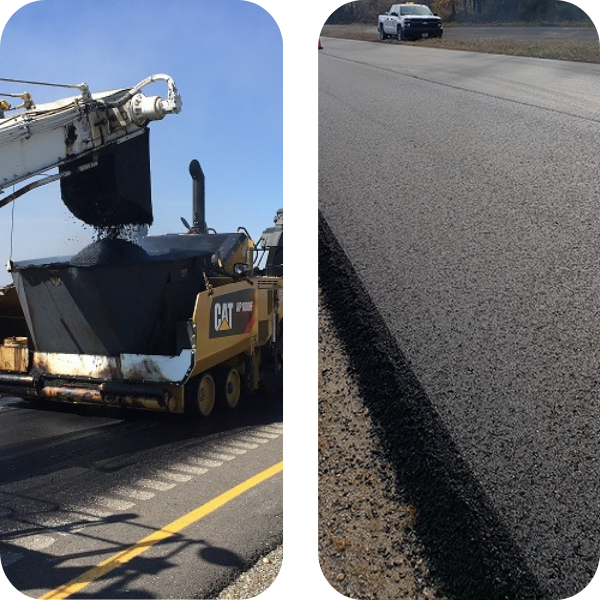
Pavement Rutting Solutions: How ECR Helps Improve Rut Resistance
Pavement rutting is one of the most visible signs of asphalt distress. When wheel paths begin to depress under repeated traffic loading, the pavement surface loses its shape, drainage can be affected, ride quality declines, and long-term performance becomes harder to maintain.
For road owners, contractors, and asphalt producers, finding effective pavement rutting solutions is critical, especially on heavy-traffic routes, intersections, industrial roads, truck lanes, and high-temperature pavement environments.
Traditional approaches often focus on stiffer binders, polymer modification, aggregate structure, and improved mix design. These tools are still important, but dry-process rubberized asphalt using Elastiko® Engineered Crumb Rubber provides another practical way to improve rutting resistance at the mixture level.
This guide explains what causes pavement rutting, why mixture-level performance matters, and how Elastiko ECR can help improve rut resistance while supporting cracking resistance, sustainability, and practical asphalt production.
- What pavement rutting is and why it affects safety, drainage, and pavement life
- Common causes of asphalt rutting in heavy-traffic and high-temperature conditions
- Why rutting solutions should be evaluated at the full mixture level
- How Elastiko ECR helps improve rutting resistance through dry-process modification
- How ECR compares with traditional polymer modification
- Why Balanced Mix Design matters when evaluating rutting and cracking performance
What Is Pavement Rutting?
Pavement rutting is permanent deformation that forms in the wheel paths of an asphalt surface. Unlike temporary deflection, rutting does not fully recover after traffic passes. Over time, repeated axle loads compress, shift, or shear the asphalt mixture, creating visible depressions.
Rutting can affect more than pavement appearance. Severe rutting can hold water in the wheel paths, increase splash and spray, reduce driver control, and contribute to premature maintenance needs. For agencies managing high-volume roads, rutting is both a performance issue and a safety concern.

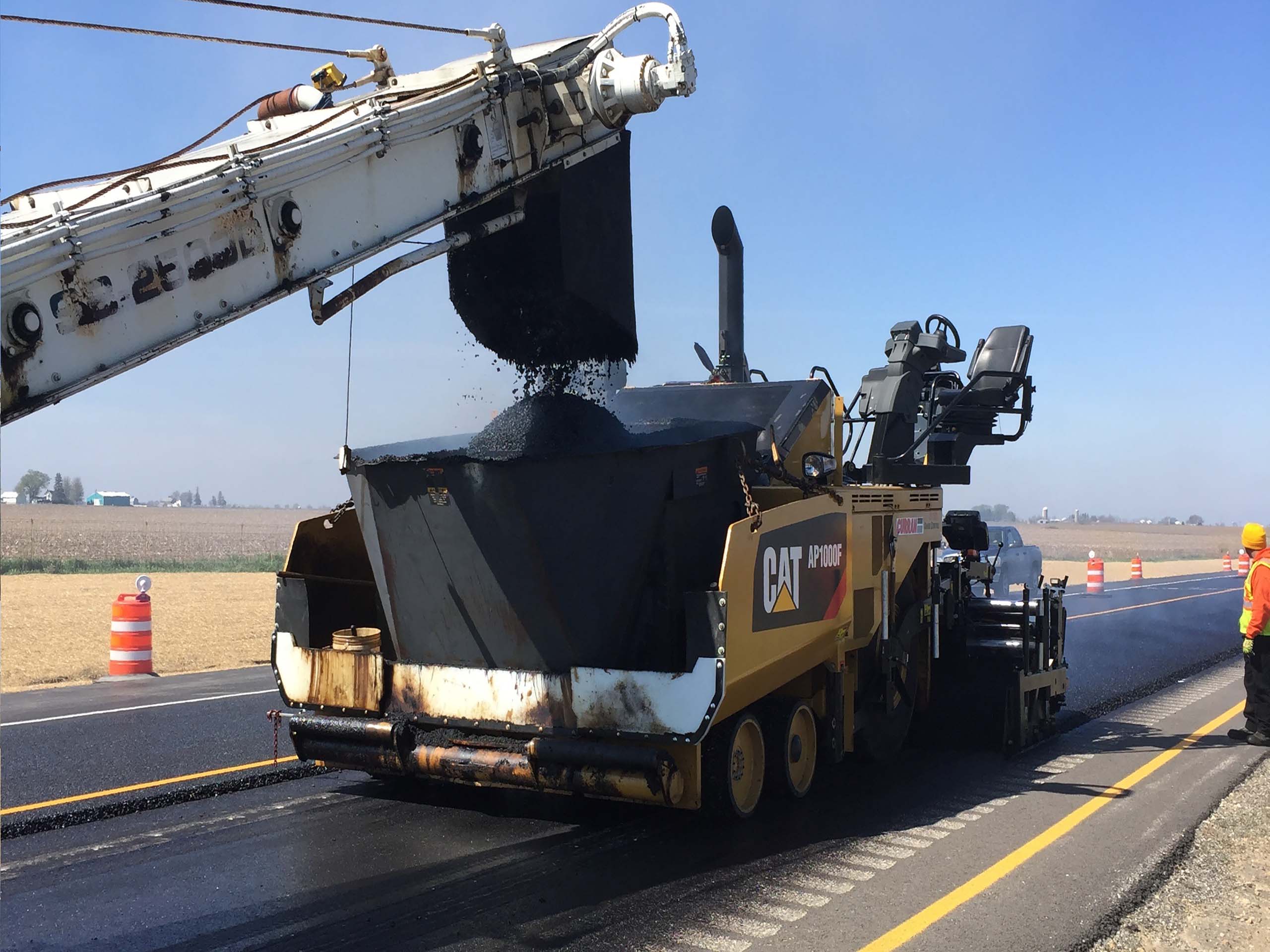
Common Causes of Asphalt Rutting
Rutting usually develops when the asphalt mixture cannot adequately resist traffic loading, temperature stress, or internal movement. Common contributing factors include:
- Heavy truck traffic
- High pavement temperatures
- Weak aggregate structure
- Excessive binder content
- Inadequate binder stiffness
- Poor compaction
- Moisture damage
- Insufficient mix design balance
In many cases, rutting is not caused by one isolated problem. It is often the result of a mixture that does not have enough internal strength to resist repeated loading over time.
That is why effective pavement rutting solutions must focus on the entire asphalt mixture, not just the surface.
Why Mixture-Level Performance Matters
Asphalt pavement performance depends on the relationship between binder, aggregate, air voids, additives, compaction, and traffic conditions. A binder may test well on its own, but the final pavement must perform as a complete mixture.
This is especially important when evaluating dry-process rubberized asphalt. Elastiko® ECR is not designed to act only as a binder modifier. It is introduced directly into the asphalt mixture during production and functions as a mix modifier.
That means its value should be evaluated through mixture performance testing, field performance, and Balanced Mix Design principles.
How ECR Helps Improve Rutting Resistance
Elastiko® ECR is a fine, engineered crumb rubber product added directly into the asphalt mix at the plant. During mixing, silo storage, transport, and paving, the heated asphalt binder interacts with the rubber particles. These particles remain distributed throughout the mixture and contribute to performance at the mix level.
ECR can help improve rutting resistance through several mechanisms.
First, rubberized asphalt can increase mixture stiffness in a way that helps resist permanent deformation. Under repeated traffic loads, a stronger mixture structure is better able to maintain its shape and reduce wheel-path deformation.
Second, fine rubber particles improve the internal modified structure of the mix. Elastiko ECR is engineered with controlled particle size, allowing it to disperse through the mixture like a fine aggregate or additive. This broad distribution helps support more consistent mixture modification.
Third, ECR contributes to a more balanced pavement system. While rutting resistance is important, the pavement also needs cracking resistance. A mixture that is too stiff may resist rutting but become more vulnerable to cracking. ECR helps support rut resistance while also contributing to crack deflection and crack pinning within the asphalt structure.
ECR as a Dry-Process Asphalt Modifier
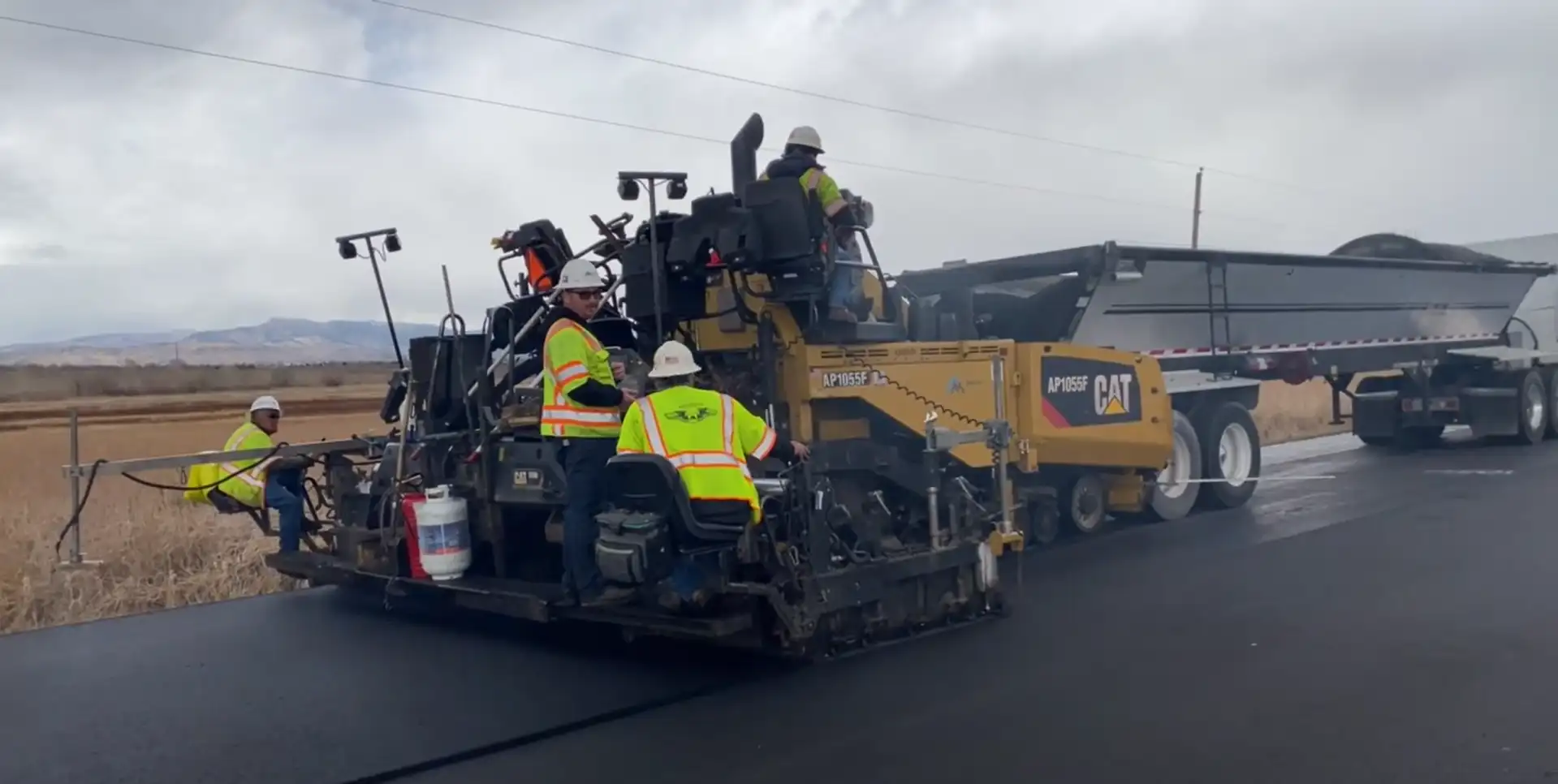
One of the major advantages of Elastiko ECR is that it is added through the dry process. Instead of requiring terminal blending or wet-process binder modification, ECR is introduced directly at the asphalt plant.
For producers, this simplifies implementation. ECR can typically be fed into the mix through existing or adapted plant systems, including loss-in-weight feeders, fiber feeder systems, or RAP collar ports.
This makes dry-process rubberized asphalt a practical option for projects that need improved pavement performance without unnecessary production complexity.
ECR Compared with Polymer Modification
Polymer-modified asphalt has long been used to improve rutting resistance and cracking performance. However, polymer modification can increase costs, complicate binder logistics, and require additional handling considerations.
ECR provides an alternative approach. Rather than modifying the binder at a terminal, ECR modifies the asphalt mixture during production. This allows contractors and agencies to pursue strong pavement performance while also incorporating recycled tire rubber into the mix.
For many applications, dry-process ECR can provide performance comparable to polymer-modified asphalt while offering cost, production, and sustainability advantages.
Balanced Mix Design and Rutting Resistance
Balanced Mix Design is becoming more important across the asphalt industry because it evaluates both rutting and cracking performance. This matters because a mix should not be designed only to resist one type of distress.
A pavement that resists rutting but cracks prematurely is not truly optimized. Likewise, a flexible mix that lacks rut resistance may deform under heavy traffic.
ECR fits well within Balanced Mix Design because its benefits occur at the mixture level. Rutting tests such as Hamburg Wheel Tracking and IDEAL-RT can help evaluate how an ECR-modified mixture performs under repeated loading, while cracking tests can help confirm that the mix maintains durability.
Sustainability Benefits of ECR in Asphalt Paving
Modern pavement design is increasingly focused on sustainability as well as performance. Elastiko ECR supports both goals by using recycled scrap tire rubber as a performance-enhancing asphalt additive.
By incorporating engineered crumb rubber into asphalt mixtures, agencies and producers can help divert tire rubber from waste streams and reduce dependence on virgin polymer modifiers. This turns a waste material into a useful infrastructure resource.
Longer-lasting pavements also support sustainability. When roads resist rutting and cracking more effectively, agencies can reduce maintenance frequency, conserve materials, and improve lifecycle value.
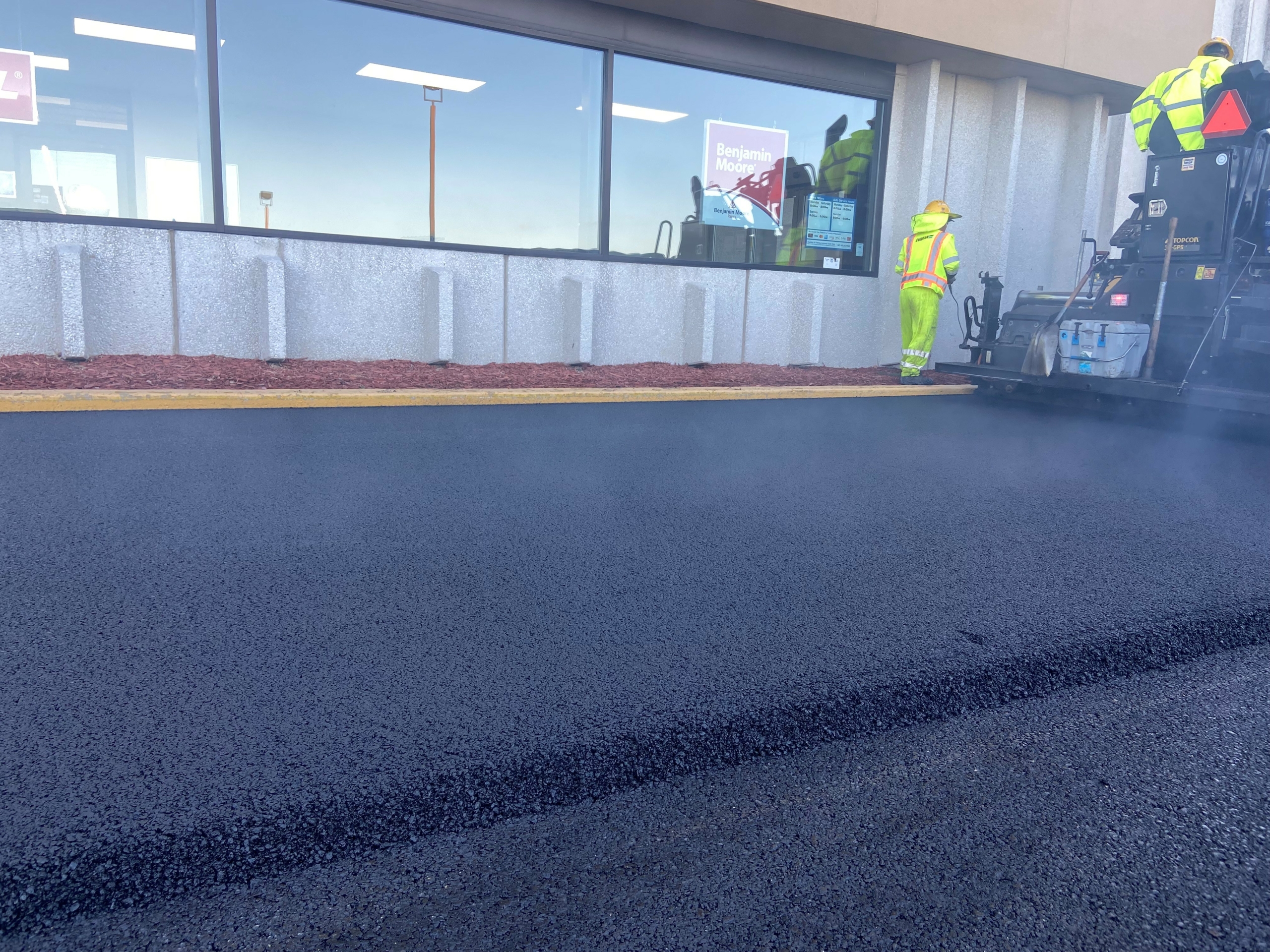
Practical Pavement Rutting Solutions for Modern Roads
There is no single answer to every rutting problem. The right solution depends on traffic loading, climate, pavement structure, aggregate selection, binder grade, mix design, and agency requirements.
However, Elastiko ECR gives engineers, agencies, and producers a practical tool for improving asphalt mixture performance. By modifying the mix with fine engineered crumb rubber, ECR helps improve rut resistance while also supporting cracking resistance, sustainability, and cost-effective production.
For heavy-traffic roads, high-stress pavement areas, and projects requiring improved long-term durability, dry-process rubberized asphalt should be part of the conversation.
Conclusion: ECR Supports Stronger Rutting Resistance and Better Asphalt Performance
Pavement rutting is a serious performance issue that affects safety, ride quality, drainage, and pavement life. Effective pavement rutting solutions must address the asphalt mixture as a complete system.
Elastiko® ECR helps improve rutting resistance by modifying the asphalt mixture through the dry process. Its fine rubber particles interact with binder and aggregate, support improved mixture structure, and help resist permanent deformation under traffic loading.
For agencies and asphalt producers looking for a practical alternative to traditional modification methods, ECR offers a strong combination of pavement performance, sustainability, and production efficiency.
As road owners continue to demand longer-lasting pavements, Elastiko ECR provides a proven path toward better asphalt performance and more resilient infrastructure.