
Understanding Balanced Mix Design for Asphalt Pavements
Balanced mix design is changing how agencies, engineers, and asphalt producers design asphalt mixes. Instead of judging a mix only by ingredients and volumetric properties, balanced mix design adds performance testing so the final mixture can be reviewed for characteristics like cracking resistance, rutting resistance, and constructability.
For DOT materials engineers, municipal road owners, asphalt producers, and pavement consultants, the benefit is better, longer-lasting pavements. A mix can look acceptable on paper and still fail to provide the desired field performance. Balanced mix design helps connect the job mix formula to the way the pavement is expected to perform under traffic, climate, aging, and construction conditions.
Balanced mix design, or BMD, is an asphalt mix design framework that uses mixture performance tests along with volumetric requirements. It helps agencies evaluate whether a proposed asphalt mixture has an acceptable balance between cracking resistance and rutting resistance.
- Primary keyword: balanced mix design
- Secondary keywords: asphalt mix design, asphalt performance testing, cracking resistance, rutting resistance, rubberized asphalt
- Search intent: educational and technical investigation for agencies, engineers, and producers
What Is Balanced Mix Design?
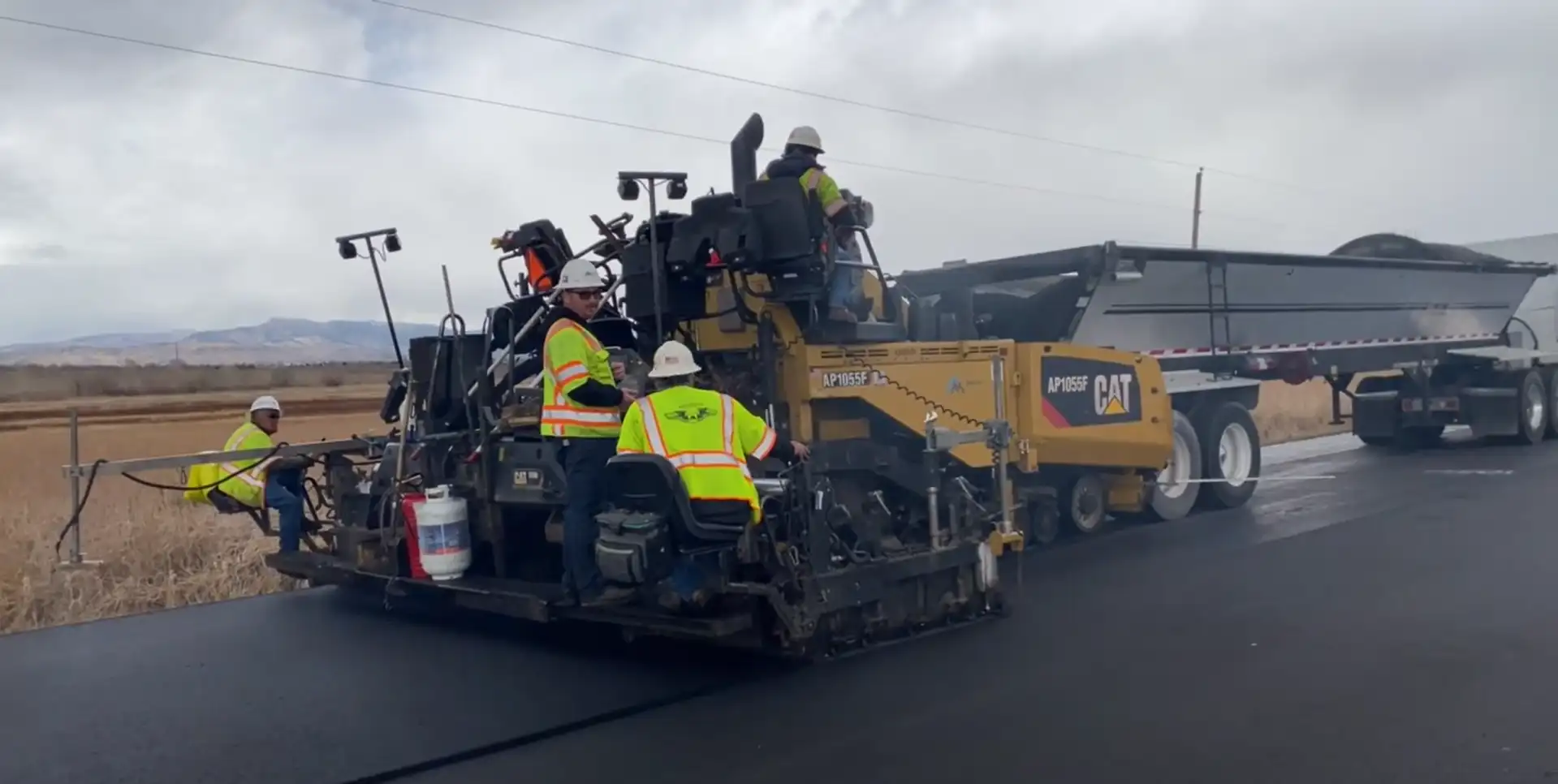
Answer: Balanced mix design is an asphalt mixture design approach that evaluates both volumetric properties and performance-related test results. The goal is to avoid mixes that satisfy one requirement while creating risk in another area, such as strong rut resistance but poor cracking resistance.
Traditional asphalt mix design relies heavily on gradation, binder content, air voids, voids in mineral aggregate, and other volumetric targets. Those properties still matter. BMD adds another layer by asking whether the compacted mixture can pass selected cracking and rutting tests before it is approved for production.
The selected tests and test thresholds will vary by agency or project specifications. That means BMD is not just one universal recipe. It is a performance-focused framework that must be applied with the correct specimen preparation, aging protocol, compaction target, and acceptance criteria.
Why Balanced Mix Design Matters for Pavement Performance
Balanced mix design matters because asphalt pavements are expected to resist more than one distress mechanism at the same time.
A roadway may need rutting resistance under heavy traffic, cracking resistance during aging and temperature cycling, and enough workability to be placed and compacted in the field. A mix that is too dry or too stiff may resist rutting but become vulnerable to cracking. A mix that is too rich or unstable may improve cracking resistance but create rutting risk. BMD helps agencies and producers evaluate that tradeoff with mixture-level evidence.
This is especially important as agencies evaluate modified asphalt mixtures, recycled materials, higher RAP contents where allowed, rubberized asphalt, and alternative binder strategies. The question becomes less about the name of the modifier and more about whether the complete mixture meets the required performance targets.
What Does Balanced Mix Design Measure?
BMD typically focuses on two broad performance categories: cracking and rutting. Agencies may also include volumetrics, moisture sensitivity, aging procedures, density requirements, or other project-specific acceptance items.
Cracking Resistance
Cracking tests are used to estimate how the compacted mixture responds to tensile strain, fracture energy, aging, or repeated loading. For road owners, this matters because fatigue cracking, thermal cracking, and reflective cracking can shorten pavement service life and accelerate maintenance needs.
Rutting Resistance
Rutting tests are used to evaluate whether the mixture can resist permanent deformation under load. This is important on high-traffic corridors, intersections, industrial routes, and other pavements exposed to slow or heavy wheel loads.
Volumetric Fit
BMD does not make volumetrics irrelevant. Air voids, binder content, aggregate structure, and density still influence durability. A strong BMD process connects good mix design practices with performance testing, hopefully resulting in a better road.
How Elastiko ECR Fits a Balanced Mix Design Framework
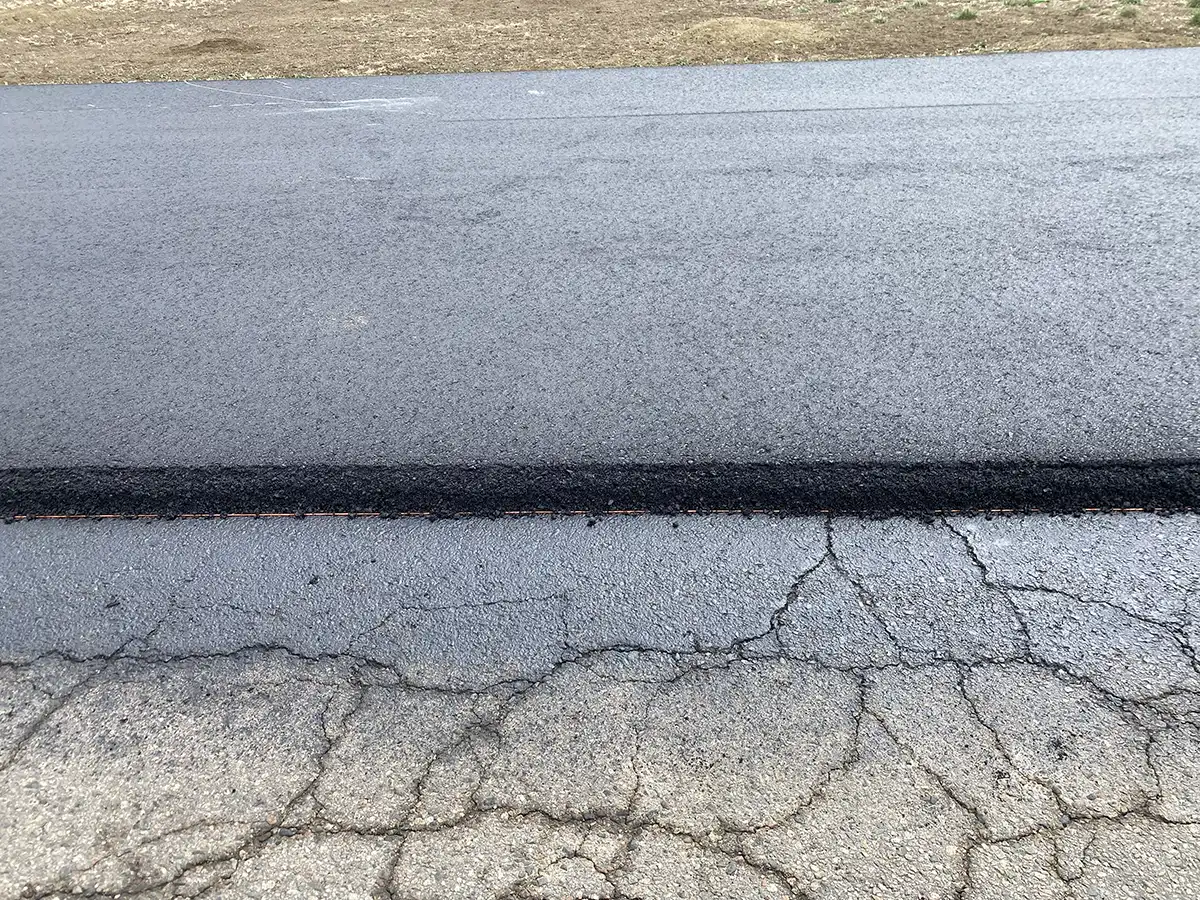
Elastiko® Engineered Crumb Rubber (ECR) is a strong fit for BMD because it is designed to function as a dry-process mix modifier. It is added during mix production and evaluated as part of the asphalt mixture system, not as a binder modifier.
Asphalt Plus technical guidance notes that ECR-modified mixtures should be developed through appropriate mix design protocols and specific material handling procedures. Under BMD, ECR should be judged through mixture behavior, including cracking and rutting performance, rather than only through binder-only characterization.
Asphalt Plus Technical Bulletin 4 explains that dry-process ECR can support mixture performance through mix stiffening and rubber particle crack deflection or crack pinning. Technical Bulletin 6 also cautions that MSCR testing on binder with ECR is not recommended as the primary way to measure ECR-modified mixture performance because MSCR does not effectively measure the impact of GTR on mix behavior.
BMD and ECR Questions Agencies and Producers Should Resolve Early
A good BMD program needs more than a test name. Before production, the agency, producer, contractor, and lab should agree on how the mix will be designed, prepared, tested, produced, and verified.
- Which cracking and rutting tests will apply?
- What aging protocol and specimen air void level will be used?
- How will the ECR dosage be included in the job mix formula?
- Will supplemental binder be included to account for binder film on and absorption in the ECR particles?
- How will the plant feed rates be calibrated and documented?
- What field density targets apply?
Asphalt Plus Technical Bulletin 1A states that ECR-modified mixtures can be produced by adding ECR on top of a base mix design or by following an appropriate mix design protocol. The same bulletin recommends supplemental binder for ECR add-on designs because ECR adds fine particle surface area to the mix.
Common Mistakes When Applying Balanced Mix Design
BMD is an important tool, but it can be weakened by poor implementation, both in the lab and in the field. These errors can impact mix designs utilizing ECR. Here are a few areas of concern that should be carefully managed.
Using Unrepresentative Lab Samples
Asphalt Plus mix design guidance emphasizes that lab preparation should simulate plant heating, material handling, material residence time, and field operations. If ECR-modified lab samples are mixed or conditioned in a way that does not represent plant production conditions, the sample volumetric and performance results may not reflect plant-produced mixtures.
See our guidance on lab handling of ECR samples.
Accurate ECR Feed Rates During Production
Once a mix design is complete, make sure that ECR is being added to production at the correct rates, and make sure that the feed rates are being properly tracked and recorded.
Recommended Next Steps for BMD Projects Using ECR Mix Modification
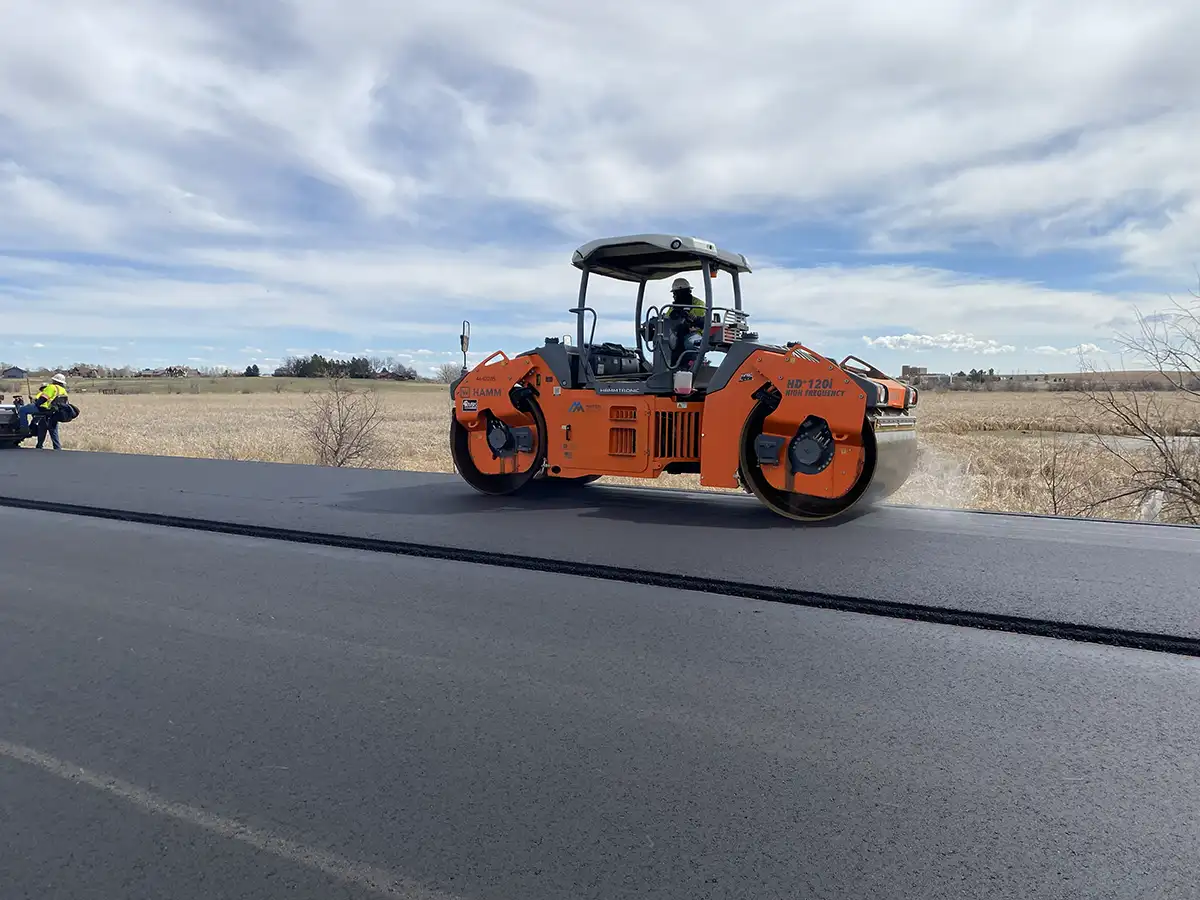
Agencies and producers that are considering the use of ECR for the first time within their BMD specifications can refer to a series of Asphalt Plus Technical Bulletins. Mix design and technology experts at Asphalt Plus can help work through the mix design and mix production process with you, so please feel free to reach out at any time.
FAQs About Balanced Mix Design
What is balanced mix design in asphalt?
Balanced mix design is an asphalt mix design approach that evaluates mixture performance, usually including cracking resistance and rutting resistance testing.
Why is BMD important for modified asphalt mixtures?
BMD uses standardized mix testing to evaluate mixes and mix modifiers, identifying mix design options for any paving project. Mix modifiers have the ability to improve mix performance and to reduce mix production costs and pavement life cycle costs.
Can ECR-modified asphalt be evaluated with balanced mix design?
Yes. ECR-modified asphalt mixtures can be evaluated with BMD testing. When samples are properly prepared and handled, BMD testing will show performance improvements with ECR.
Does BMD replace good plant quality control?
No. BMD helps evaluate mixture performance, but producers still need accurate materials control, feeder calibration, production records, density control, and acceptance testing.
What should agencies review before using BMD with ECR?
Agencies should review the job mix formula, ECR dosage, supplemental binder if required, lab preparation methods, and QA/QC procedures in production.
Final Takeaway
Balanced mix design helps agencies and producers evaluate asphalt mixtures by performance, not just recipe. ECR-modified mixtures integrate well within the system, providing enhanced pavement performance.
To evaluate whether ECR fits an upcoming BMD project, talk with Asphalt Plus about mix design preparation, testing strategy, feeder setup, production verification, and specification support.