


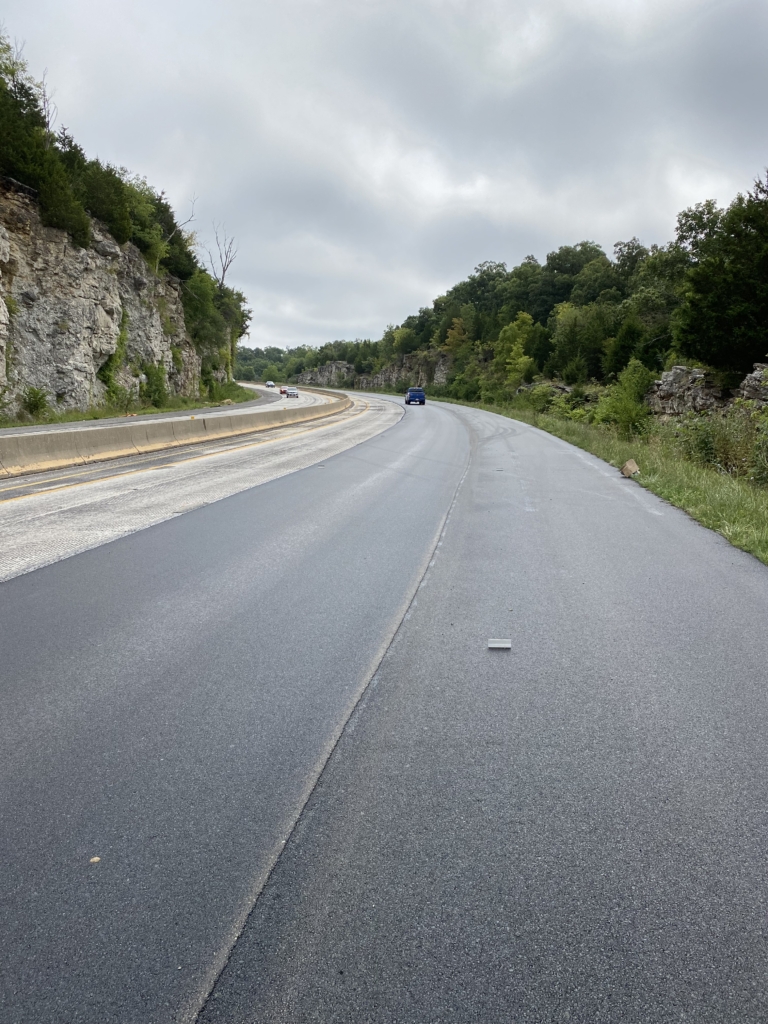
Asphalt Pavements Using Recycled Tires: A Smarter Approach to Performance and Sustainability
Modern roadway agencies and asphalt producers are under growing pressure to deliver pavements that last longer, cost less over time, and support sustainability goals. One of the most practical ways to address all three is through asphalt pavements using recycled tires.
By converting scrap tires into engineered crumb rubber for asphalt mixtures, the industry can turn a difficult waste stream into a performance-enhancing infrastructure material. When properly designed, these rubberized asphalt mixtures can improve cracking resistance, increase rutting resistance, support circular material use, and provide a cost-effective alternative to traditional modification strategies. Asphalt Plus technical guidance describes dry-process engineered crumb rubber as a mix modifier, with performance benefits occurring at the mixture level rather than through binder-only characterization.
For agencies, contractors, and producers, that makes recycled tire asphalt more than an environmental talking point. It makes it an engineering solution.
This article explains how asphalt pavements using recycled tires can improve both performance and sustainability in modern road construction.
- How recycled tires are used in asphalt pavements
- The difference between dry process and wet process rubber modification
- How recycled tire asphalt improves rutting and cracking resistance
- Why particle size and rubber content matter in mix performance
- The sustainability benefits of using recycled tires in asphalt mixtures
- Why engineered crumb rubber can deliver economic and production advantages
What Does It Mean to Use Recycled Tires in Asphalt Pavements?
In asphalt paving, recycled tires are typically processed into crumb rubber and incorporated into asphalt mixtures as a modifier. This recycled tire material is often called ground tire rubber (GTR). In the case of Asphalt Plus’ Elastiko® ECR technology, the rubber is introduced directly into the asphalt plant during mix production rather than blended into the binder at a terminal. Asphalt Plus states that ECR meets a minus-30 mesh specification, with a mean particle size near 50 mesh, allowing the rubber to interact effectively with both binder and aggregates during production and placement.
This distinction is important because not all rubberized asphalt technologies work the same way.

Dry Process vs. Wet Process Rubber Modification
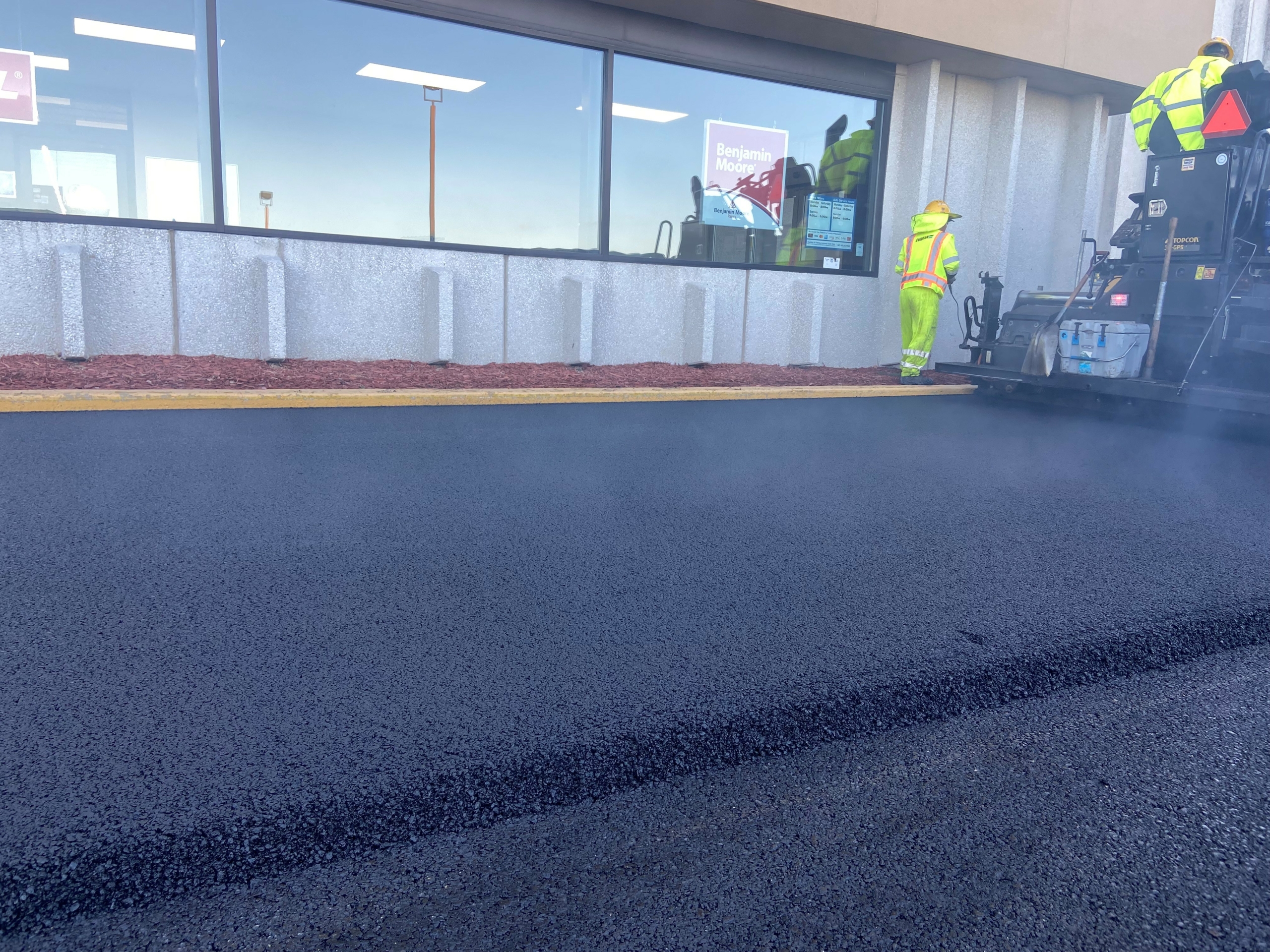
In wet-process systems, rubber is blended with the asphalt binder before the binder arrives at the plant. In dry-process systems, engineered crumb rubber is added directly into the asphalt mixture during plant production. Asphalt Plus emphasizes that dry-process ECR behaves as a mixture modifier, not simply as a binder modifier. That means the performance effects must be understood in the context of the full asphalt mixture, including aggregate structure, binder interaction, compaction, and field behavior.
This approach simplifies plant implementation while still producing meaningful performance improvements.
Why Asphalt Pavements Using Recycled Tires Perform Better
The growing interest in recycled tire asphalt is driven by one core factor: pavement performance.
When engineered crumb rubber is properly added to the asphalt mixture, it improves both rutting resistance and cracking resistance. These are two of the most important performance characteristics for modern pavements, especially on heavily trafficked highways, intersections, ramps, and urban corridors.
Improved Rutting Resistance
Rubber-modified asphalt mixtures can provide greater resistance to permanent deformation under repeated traffic loading. The presence of crumb rubber contributes to a stiffer and more resilient mixture structure, which helps the pavement resist wheel-path rutting in high-temperature and heavy-load conditions. Asphalt Plus identifies increased mixture stiffness as one of the key mechanisms behind dry-process rubber performance.
Improved Cracking Resistance
Cracking resistance is another major benefit of asphalt pavements using recycled tires. Rubber particles in the mixture act as energy-absorbing inclusions that can help deflect cracks, pin crack tips, and slow crack propagation. Asphalt Plus specifically notes that crack deflection and crack pinning are central mechanisms of dry-process crumb rubber modification.
This matters because many asphalt pavements fail due to fatigue cracking, thermal cracking, or reflective cracking long before their structural life should be exhausted. A mixture that better resists crack initiation and propagation offers real lifecycle value.
Why Particle Size and Rubber Content Matter
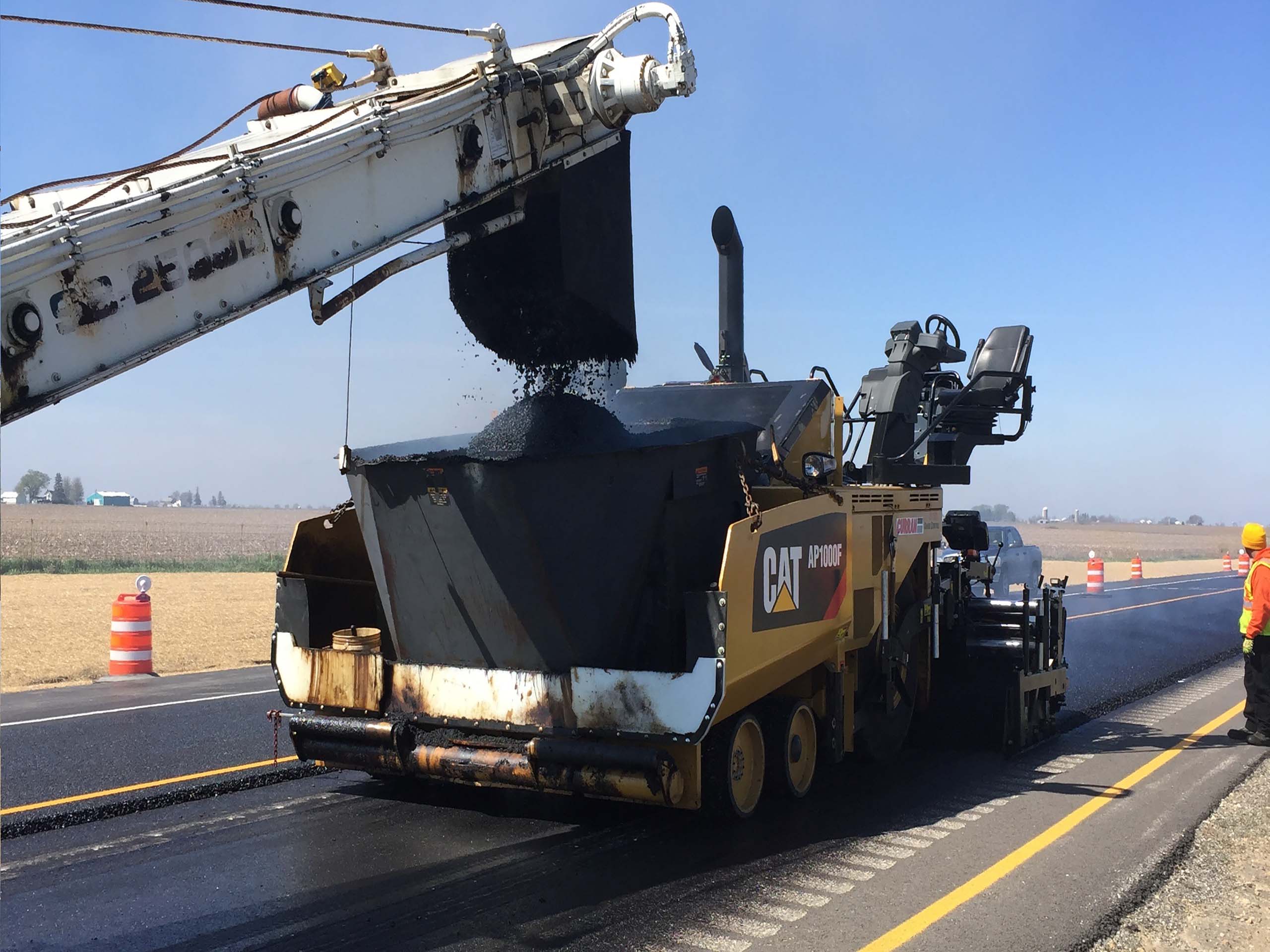
Not all crumb rubber performs equally. Fine particle size and high active rubber content both play a major role in how well recycled tire rubber interacts with the asphalt system.
Asphalt Plus explains that finer particles provide greater surface area, which improves interaction with the binder and helps distribute the rubber more effectively throughout the mixture. The company also notes that performance increases as both rubber content and rubber surface area increase.
For engineers and specifiers, this is a critical point: recycled tire asphalt performance depends not just on adding rubber, but on using the right rubber in the right form.
The Sustainability Benefits of Asphalt Pavements Using Recycled Tires
Using recycled tires in asphalt supports a more circular and resource-efficient approach to road construction.
Every year, large volumes of scrap tires require productive end uses. Asphalt pavements provide one of the most scalable and technically valuable applications for recycled tire rubber. Instead of stockpiling or landfilling tires, road owners can convert them into long-life infrastructure inputs.
Turning Waste Into Infrastructure Value
Rubberized asphalt helps transform a waste material into a durable paving resource. Asphalt Plus positions dry-process rubberized asphalt as a sustainability solution because it diverts scrap tire material from the waste stream while reducing reliance on virgin polymer modifiers in many applications.
That sustainability benefit becomes even more meaningful when paired with performance. A pavement that uses recycled material and lasts longer delivers stronger environmental value than one that simply checks a recycled-content box.
Supporting Long-Term Pavement Sustainability
Sustainability in asphalt should always be viewed through a lifecycle lens. If a pavement resists rutting, delays cracking, reduces maintenance frequency, and productively uses recycled tire rubber, it contributes to better long-term infrastructure outcomes.
That is why asphalt pavements using recycled tires are increasingly relevant for agencies pursuing both performance-based specifications and environmental stewardship.
Recycled tires in asphalt help convert scrap tire material into long-lasting pavement value while supporting circular material use and reducing dependence on virgin modifiers.
Economic Advantages of Using Recycled Tires in Asphalt Mixtures
Rubberized asphalt is not just a technical and environmental solution. It can also be a smart economic choice.
For many road owners and producers, the biggest appeal is that recycled tire rubber can deliver performance similar to more expensive modification systems while simplifying logistics and lowering total cost.
Lower Cost Than Some Traditional Modification Approaches
Asphalt Plus notes that a two-grade performance improvement equivalent can often be achieved with ECR at about 10% by weight of virgin binder, offering a cost-effective alternative to polymer modification in many applications.
Because the material is added directly at the plant, dry-process systems can also avoid some of the complexity associated with terminal blending.
Efficient Plant Integration
ECR is fed into the plant using calibrated loss-in-weight feeder systems, similar to other dry additives. Asphalt Plus explains that these systems can provide accurate dosing and detailed feed records for quality control and verification.
This supports consistency in production and helps agencies verify that the specified amount of recycled tire rubber was actually delivered into the mix.
Potential Compaction and Production Benefits
Field production considerations matter just as much as laboratory performance. Asphalt Plus reports that ECR-modified pavements generally compact without systematic issues, and that in some higher-binder mixes such as SMA, contractors have reported fewer roller passes to achieve full compaction.
That kind of operational efficiency can translate into real jobsite value.

Engineering Considerations for Recycled Tire Asphalt Mix Design
For rubberized asphalt to perform well, it must be properly designed and produced.
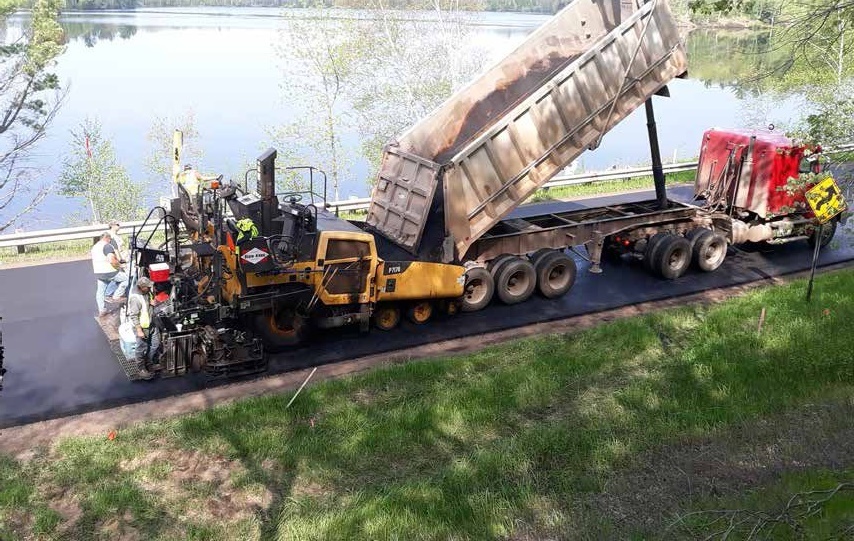
Engineered crumb rubber is not simply substituted into an existing mix without adjustment. Because the rubber adds surface area and absorbs lighter binder fractions, the mix design must account for supplemental binder requirements and proper handling during production.
Supplemental Binder Matters
Asphalt Plus recommends adding about 0.1% virgin binder for every 5 pounds of ECR added per ton of mixture. This supplemental binder helps maintain proper coating and prevents the mixture from becoming too dry.
This is one of the most important design considerations when moving recycled tire asphalt from concept to successful field production.
Temperature and Dwell Time Matter Too
Rubber-binder interaction continues after initial mixing. Asphalt Plus recommends plant temperatures around 315°F or higher and adequate dwell time between production and paving so the rubber can interact with the heated binder during production, silo storage, transport, and placement.
This helps ensure the mixture performs as intended in the field.
Mixture Performance Should Be Evaluated as a Mix
Because dry-process rubber functions as a mixture modifier, Asphalt Plus advises against relying solely on binder-based testing such as MSCR to assess performance. Instead, performance should be judged through mixture-level evaluation and field validation.
That aligns well with the industry’s broader move toward Balanced Mix Design and performance-based decision-making.
Recycled Tires Can Also Improve Surface Functionality
Beyond structural and durability benefits, asphalt pavements using recycled tires can also improve certain surface properties.
Asphalt Plus reports that tire rubber can reduce draindown risk in some high-binder mixtures and improve skid resistance. In a Missouri field evaluation, an ECR-modified SMA section exhibited friction levels approximately 15% greater than a comparable PPA-modified pavement.
For agencies, that adds another layer of value. Surface friction, texture retention, and binder stability all affect roadway safety and service performance.
Why Recycled Tire Asphalt Is Gaining More Attention
As transportation agencies adopt Balanced Mix Design and focus more heavily on long-term pavement performance, interest in recycled tire asphalt continues to grow.
The reason is simple: this technology offers a practical way to improve performance, advance sustainability goals, and control cost without creating unnecessary production complexity. For road owners looking to stretch budgets while improving pavement outcomes, asphalt pavements using recycled tires present a compelling option.
Conclusion: Recycled Tires Are Helping Build Better Asphalt Pavements
Asphalt pavements using recycled tires are more than a sustainability trend. They are an engineering-driven approach to building longer-lasting, more cost-effective roads.
When properly engineered, recycled tire rubber can improve rutting resistance, enhance cracking performance, support circular material use, reduce dependence on virgin modifiers, and help agencies achieve better lifecycle value. That combination is why more DOTs, producers, and contractors are evaluating dry-process rubberized asphalt as part of their paving strategy.
For the road industry, recycled tires are no longer just a disposal problem. They are becoming part of the solution.
Ready to Evaluate Rubberized Asphalt for Your Next Project?
Asphalt Plus helps agencies, asphalt producers, contractors, and consultants implement Elastiko® ECR engineered crumb rubber technology for high-performance dry-process rubberized asphalt.
Whether you are evaluating specifications, comparing rubberized asphalt to polymer-modified mixtures, or planning a field trial, our team can help you assess the performance, production, and economic benefits of ECR for your application.