
Rubberized Asphalt Information
Rubberized asphalt improves durability, sustainability, and performance by incorporating ground-up rubber from recycled tires. This article explains the difference between wet process and Dry Process Engineered Crumb Rubber (ECR) and why dry process is the preferred option for many producers and agencies.
Asphalt Plus Rubberized Asphalt Information
Below is a series of rubberized asphalt information using Elastiko™, a rapidly growing alternative to polymer modification. As agencies and producers look for more efficient and cost-effective solutions, rubberized asphalt continues to gain traction across the United States.
Elastiko™ ECR has been successfully used in multiple states across a wide range of climates and project types. It provides a proven solution for improving pavement performance while simplifying production and reducing overall costs.
- Applied in a wide range of asphalt mix designs
- Used on full depth replacement, overlay, and thinlay projects
- Proven across light, medium, and heavy traffic roadways
- Field-tested with millions of tons in service
- Successfully used across diverse climates and conditions
Superior Rutting and Cracking Resistance
One of the most important aspects of rubberized asphalt information is its performance. Elastiko® ECR delivers superior resistance to rutting and cracking compared to traditional and polymer-modified mixes.
This improved performance is driven by the elastic properties of crumb rubber, which help asphalt better absorb stress from traffic loads, temperature changes, and environmental conditions. The result is a longer-lasting pavement with reduced maintenance needs.
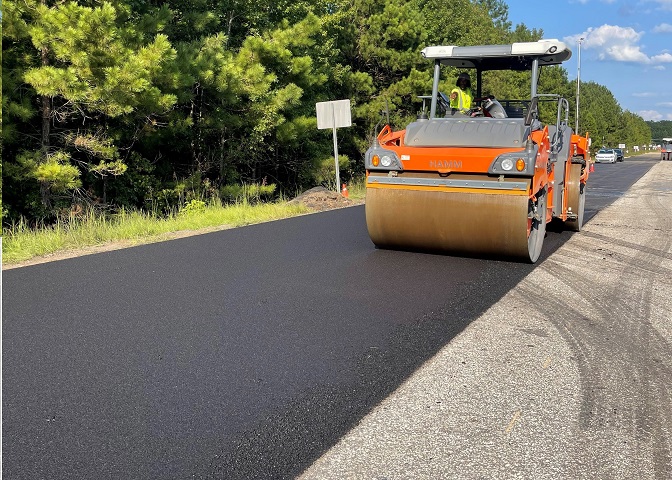
What is Elastiko® ECR?
Elastiko® ECR is a chemically engineered dry mix crumb rubber asphalt technology derived from recycled tire rubber. It is designed to integrate seamlessly into standard asphalt production without requiring complex modifications to plant operations.
Consistent and Controlled Production
Elastiko ECR is produced using ISO-compliant processes, ensuring consistent quality with every order. This reliability allows asphalt producers to maintain uniform mix performance across projects.
Simple Handling and Storage
The material is delivered in bulk bags with no need for specialized storage systems. It can be easily loaded and fed into the plant using standard fiber machines, reducing complexity at the plant level.
Seamless Plant Integration
Rubber is introduced into drum plants through the RAP collar and belt-fed into batch plants. Feed rates are highly accurate and tied directly to plant speed, ensuring consistent dosing and mix performance.
Clean and Efficient Production
Unlike polymer-modified asphalt, ECR mixes are not sticky and do not create buildup in conveyors, silos, or plant equipment. This allows for easier production, loading, and unloading while minimizing downtime and maintenance issues.
- No mix stickiness
- Minimal equipment buildup
- Accurate feed rates tied to plant speed
- Easy laydown and compaction
- Low to no material waste
ECR Benefits for Asphalt Plants
A key part of rubberized asphalt information is understanding how ECR improves plant operations. When compared to polymer modification, ECR offers significant advantages in production efficiency and cost control.
Polymer modified asphalt tends to be sticky and difficult to process through plant systems, often slowing production rates. In contrast, ECR allows plants to operate more efficiently without the complications associated with polymer.
Because there is little to no buildup in plant equipment, operators experience fewer interruptions, cleaner systems, and more consistent output. This directly contributes to improved productivity and reduced operational costs.
Cost Benefits of Rubberized Asphalt
One of the most important reasons rubberized asphalt continues to grow is cost. The use of ECR substantially reduces production costs when compared to polymer-modified asphalt.
These savings are passed along through lower project bids, allowing agencies and contractors to stretch budgets further. Rubberized asphalt provides a rare combination of improved performance and reduced cost.
Rubberized asphalt delivers better roads at a lower cost compared to traditional polymer-modified systems.
Agencies and Road Owners
Road managers, especially those overseeing publicly funded infrastructure, are under constant pressure to do more with limited budgets. This is where rubberized asphalt information becomes critical.
ECR-modified asphalt is less expensive to produce, and those savings are reflected in lower bids. As a result, agencies can complete more projects with the same budget while also improving roadway quality.
Road owners benefit from both lower costs and better-performing pavements, making rubberized asphalt a highly practical solution for modern infrastructure challenges.
Environmental Impact
Rubberized asphalt also provides meaningful environmental benefits. For every one lane mile of Elastiko™ modified asphalt laid, approximately 800 scrap tires are kept out of landfills.
This contributes to a more sustainable use of natural resources while reducing waste. By repurposing discarded tires into high-performance pavement materials, rubberized asphalt supports both infrastructure development and environmental responsibility.

Conclusion
Rubberized asphalt information continues to show that Elastiko™ ECR is a powerful alternative to polymer modification. It offers improved pavement performance, easier plant operations, reduced costs, and meaningful environmental benefits.
For contractors, producers, and agencies looking to improve efficiency while delivering durable, high-quality roads, rubberized asphalt provides a proven and scalable solution.