


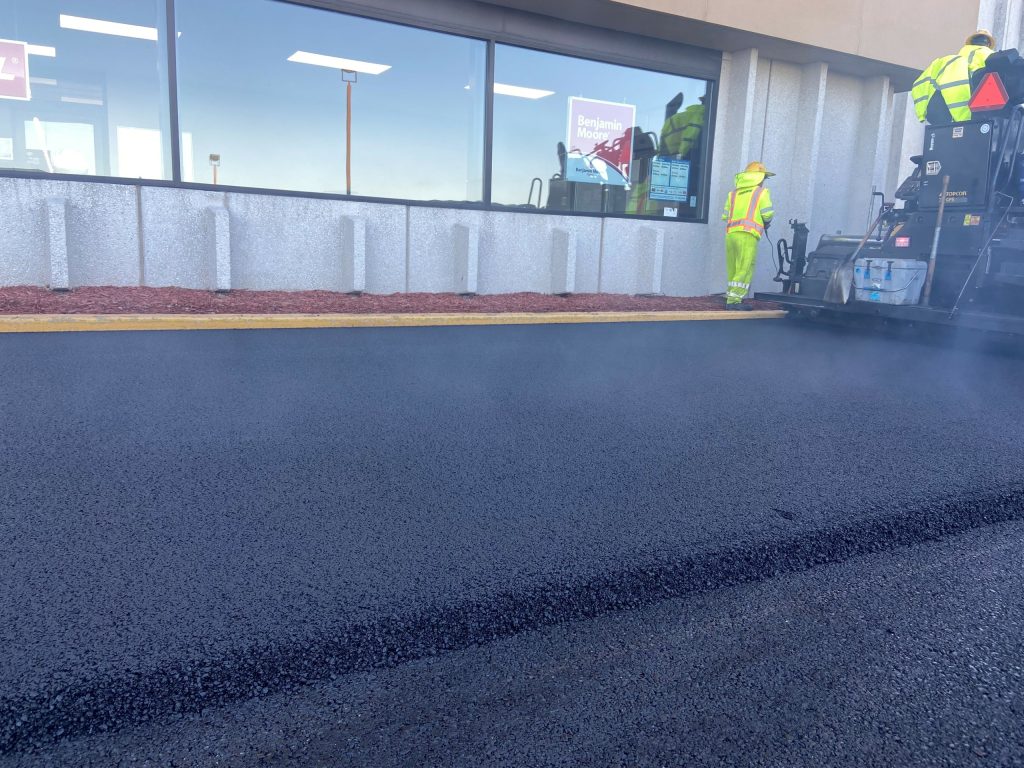
How ECR Improves Asphalt Cracking Resistance
Asphalt cracking resistance is one of the most important performance factors in pavement design. Cracking allows water to enter the pavement structure, accelerates oxidation, weakens the asphalt layer, and often leads to more expensive repairs over time. For DOT engineers, asphalt producers, contractors, and pavement owners, improving cracking resistance is not just about extending pavement life. It is about building asphalt mixtures that can better handle traffic loading, temperature swings, aging, and reflective movement from the underlying pavement structure.
Elastiko® Engineered Crumb Rubber, or ECR, improves asphalt cracking resistance by modifying the asphalt mixture itself. Unlike traditional binder-only modification, ECR is added directly into the asphalt plant during production using the dry process. Once introduced into the mix, the rubber particles interact with heated asphalt binder and distribute throughout the mixture like a fine aggregate or additive. Asphalt Plus Technical Bulletin 15 explains that ECR is a controlled product with engineered particle size, density, moisture, and metal content, meeting ASTM D5603-23 as a minus-30 mesh material with a mean particle size of about 50 mesh, or roughly 0.5 mm.
This article explains how ECR asphalt improves asphalt cracking resistance by strengthening the full asphalt mixture, not just the binder.
- Why asphalt cracking resistance matters for long-term pavement durability
- How ECR works as a dry process mix modifier
- How crack deflection and crack pinning slow crack propagation
- Why fine rubber particle size improves mixture interaction
- How binder absorption, rubber swelling, and supplemental binder support cracking resistance
- Why ECR fits within Balanced Mix Design and performance testing
Why Asphalt Cracking Resistance Matters
Cracking is one of the most common forms of asphalt pavement distress. It can appear as fatigue cracking, thermal cracking, reflective cracking, block cracking, or longitudinal cracking. While each type of crack has different causes, they all reduce pavement durability and increase maintenance demand.
A mix with strong asphalt cracking resistance is better able to absorb stress, resist fracture, and delay crack propagation. This is especially important in pavements exposed to heavy traffic, freeze-thaw cycling, high recycled asphalt pavement content, or thin overlay applications where reflective cracking is a concern.
For modern pavement design, cracking resistance is increasingly evaluated at the mixture level through performance testing and Balanced Mix Design. That is where dry process ECR becomes especially valuable: it is designed to improve the behavior of the complete asphalt mixture, not just the asphalt binder.

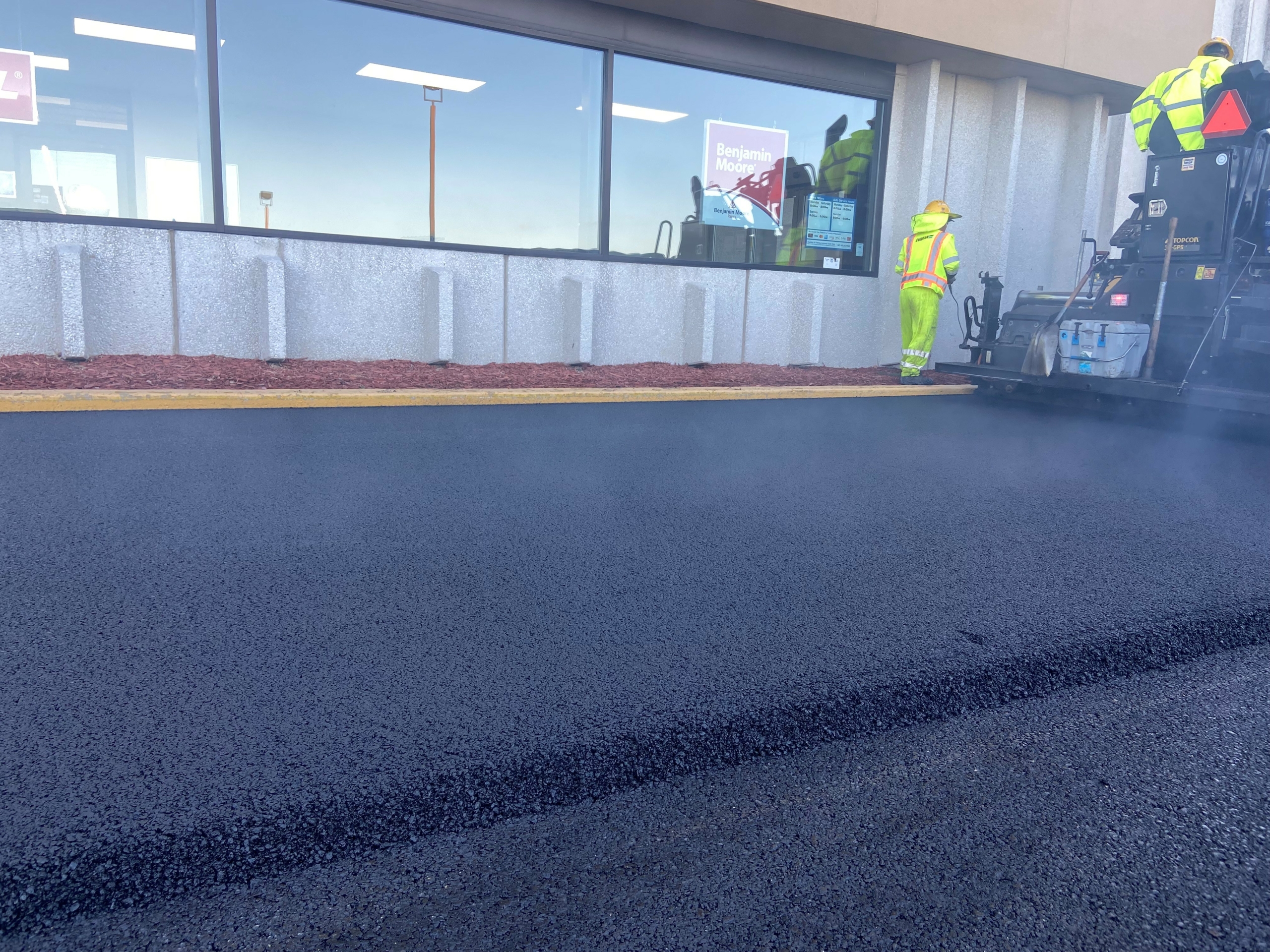
ECR Works as a Mix Modifier, Not Just a Binder Modifier
One of the most important differences between ECR asphalt and many traditional modified asphalt systems is how the rubber works inside the pavement.
Wet process rubber modification typically blends rubber into the asphalt binder before the binder reaches the plant. Polymer modification also focuses primarily on changing binder properties. ECR, by contrast, is introduced into the asphalt mixture during plant production. This means the rubber particles remain present within the mix structure and influence how the entire mixture responds to stress.
Asphalt Plus Technical Bulletin 4 explains that dry process ECR pavement performance enhancements are driven by two main mixture-level changes: stiffening of the mix and rubber crumb crack deflection or crack pinning. These mechanisms help explain why ECR-modified asphalt can improve cracking resistance while also supporting rutting resistance.
Crack Deflection and Crack Pinning
Cracks typically grow when stress concentrates at a weak point in the asphalt mixture. Once a crack begins, it can continue through the pavement if there is not enough resistance to slow or redirect it.
ECR helps interrupt that process. The rubber particles act as small, flexible inclusions within the asphalt mixture. When a crack encounters rubber particles, the crack path can be deflected, slowed, or pinned. This forces the crack to use more energy to continue moving through the pavement.
In practical terms, this means the asphalt mixture can absorb more fracture energy before cracking progresses. Instead of allowing cracks to move cleanly through the pavement, ECR creates a more complex internal structure that helps resist crack propagation.
This is a major reason ECR asphalt can be useful in overlays, high-traffic pavements, and pavements where long-term durability is a priority.
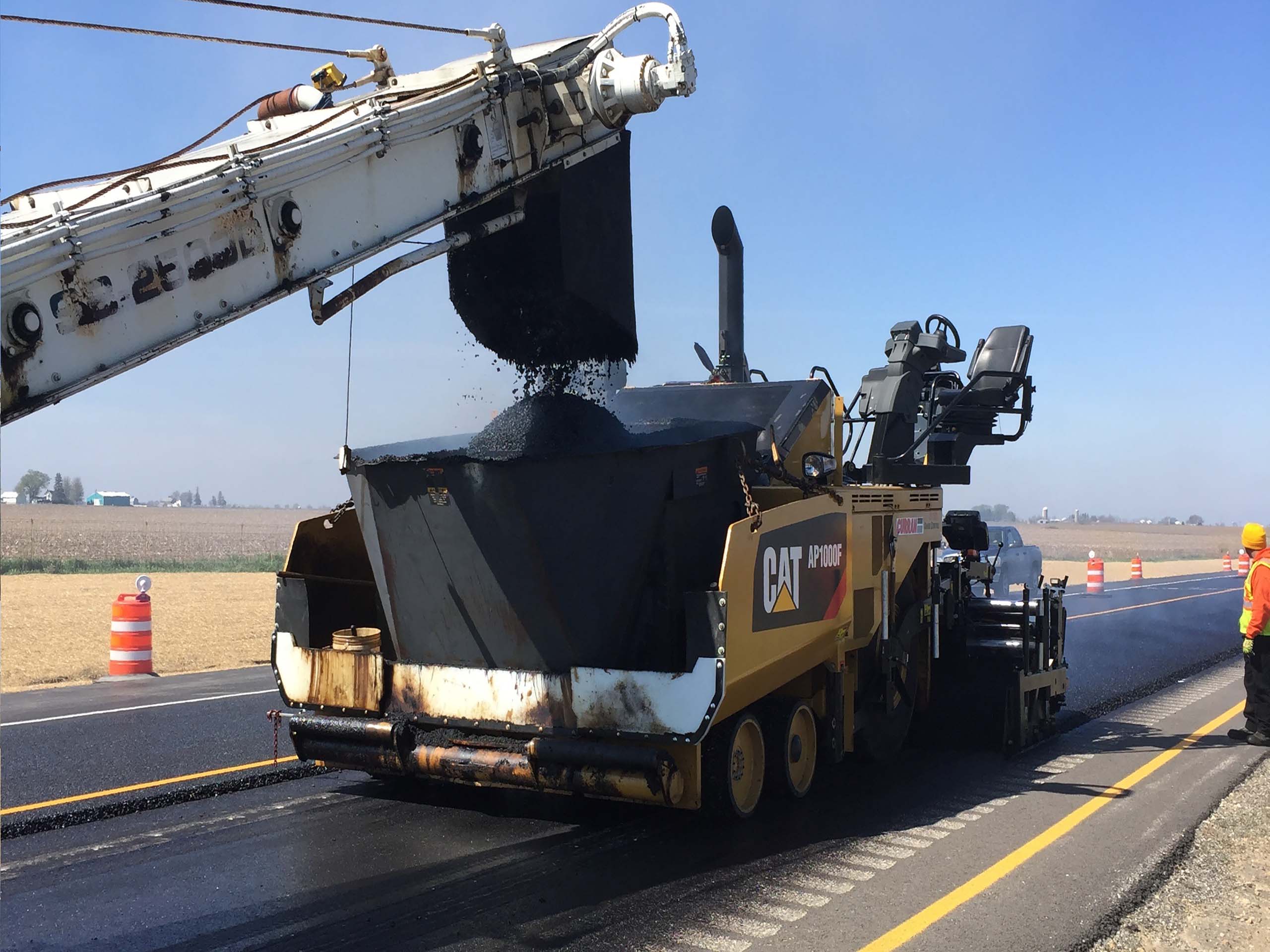
Fine Rubber Particle Size Improves Interaction
Particle size plays a major role in asphalt cracking resistance. Smaller rubber particles provide more surface area, better dispersion, and more opportunities for interaction with the binder and aggregate structure.
Elastiko ECR is engineered as a fine rubber product. Technical Bulletin 2 notes that ECR is screened to meet a minus-30 mesh specification, with a typical mean grain size in the 50 mesh range, or about 0.5 mm. It also explains that adding 10 pounds of ECR to one ton of mix introduces approximately 110 million rubber grains.
That high particle count matters. Instead of relying on a few large rubber particles, ECR creates a broad network of small rubber particles throughout the asphalt mixture. This increases the number of potential crack-interruption points and improves the ability of the mixture to resist crack movement.
Binder Absorption and Rubber Swelling
ECR also improves asphalt cracking resistance through interaction with the asphalt binder. When fine rubber particles are exposed to heated binder, a portion of the binder is absorbed into the surface pores of the rubber. This interaction can cause the rubber particles to swell and become more active within the mixture.
Technical Bulletin 2 explains that, after heated binder and ECR are mixed, binder film can be absorbed into the rubber surface pores when the mixture remains above 270°F. The bulletin states that this absorption increases rubber grain size and improves mix resistance to crack propagation.
This is why proper production temperature, dwell time, and mix design procedures are important. ECR is not simply added as a filler. It must be given the right conditions to interact with the binder and function as a performance modifier.
ECR asphalt cracking resistance depends on mixture-level interaction. Fine rubber particles, binder absorption, rubber swelling, crack pinning, and crack deflection all work together to help the asphalt mixture resist fracture and delay crack propagation.
Supplemental Binder Supports Cracking Resistance
Because ECR adds surface area to the mix and absorbs some binder into the rubber particles, proper binder content is essential. If supplemental binder is not included when needed, the mix can become too dry. A dry mix is more difficult to compact and more vulnerable to cracking.
Technical Bulletin 2 states that ECR requires a binder film like other aggregate in the mix and that supplemental binder is a key element of the production mix design. It also warns that failure to include the proper supplemental binder can result in a drier mix that does not compact properly and is more prone to cracking.
For asphalt producers and mix designers, this point is critical. ECR asphalt should be designed as a complete mixture system. The goal is not only to add rubber, but to balance rubber dosage, binder content, aggregate structure, compaction, and performance testing.
ECR and Balanced Mix Design
Balanced Mix Design is becoming more important across the asphalt industry because traditional volumetric design alone does not always predict field performance. A mix can meet volumetric requirements and still crack too early if it lacks adequate fracture resistance.
ECR fits well within a Balanced Mix Design approach because its benefits are measured at the mixture level. Technical Bulletin 4 describes dry process ECR as an effective BMD tool that uses a better understanding of the mix production process to enhance mix quality and simplify production.
This matters because ECR is not best evaluated through binder-only testing. Since ECR remains largely as a granular rubber material in the mix, the true performance benefit is seen through mixture testing such as cracking tests, rutting tests, and field performance monitoring.
Field and Laboratory Performance Support
ECR-modified asphalt has been used in real pavement applications and evaluated through laboratory and field testing. Technical Bulletin 4 reports that an ECR-modified dense-grade surface mix on the NCAT Test Track exhibited 0% cracking and 4 mm of rutting after 7.2 million ESALs during the 2021–2023 testing period.
The same bulletin also notes that Illinois Tollway ECR-modified SMA mix designs produced disk-shaped compact tension, or DCT, results ranging from 650 to 1,300 J/m², indicating significant resistance to thermal cracking and comparable performance to polymer and terminal blend rubber systems.
These results are important because they show that dry process rubber modification is not just a theoretical improvement. When properly designed and produced, ECR asphalt has demonstrated strong cracking resistance in demanding pavement environments.

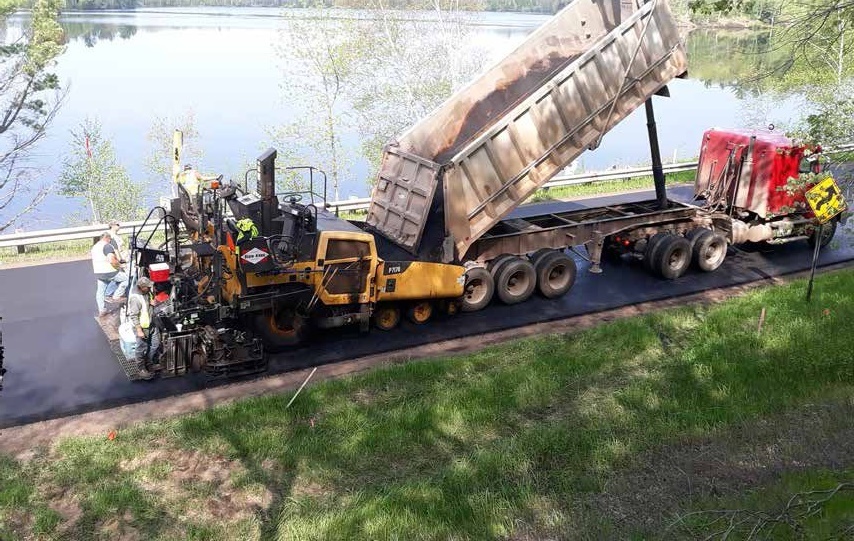
Comparable Performance to Polymer-Modified Asphalt
Polymer-modified asphalt is commonly used when agencies need better durability, improved flexibility, and stronger resistance to cracking and rutting. ECR offers another path to similar performance by modifying the mixture with engineered crumb rubber.
Technical Bulletin 4 states that multiple agencies and organizations, including TXDOT, ODOT, MODOT, VDOT, SCDOT, and others, have placed side-by-side comparisons between ECR and other modified asphalt pavements, reporting similar and comparable performance.
That comparison is important for agencies and contractors looking for a cost-effective asphalt modifier. ECR can support asphalt cracking resistance while also providing sustainability benefits through the use of recycled scrap tire rubber.
Production Practices Affect Cracking Performance
To get the full cracking resistance benefit from ECR asphalt, production and handling must be done correctly. ECR needs proper feeding, mixing, temperature, and dwell time to interact with binder and distribute throughout the asphalt mixture.
Technical Bulletin 8 states that ECR mix production is similar to standard hot mix production with fiber additions and recommends a plant temperature of 315°F or higher with at least 30 minutes between mix production and loading into the paver. The bulletin also notes that larger swollen rubber grain sizes increase opportunities for crack pinning and deflection, which increases mix fracture energy.
This reinforces an important point: ECR performance depends on good engineering practice. Properly designed and produced ECR asphalt is a system, not a simple additive substitution.
Why ECR Asphalt Is Valuable for Long-Term Pavement Durability
ECR asphalt improves asphalt cracking resistance through several connected mechanisms. Fine rubber particles increase surface area and binder interaction. Rubber swelling helps create active crack-resisting inclusions. Crack pinning and deflection help slow crack growth. Supplemental binder ensures the mix does not become dry or brittle. Balanced Mix Design confirms performance at the mixture level.
For pavement owners, this can translate into longer-lasting asphalt surfaces, reduced premature cracking, and improved lifecycle value. For asphalt producers and contractors, dry process ECR also offers a practical production method because the rubber is added directly at the plant instead of requiring terminal binder blending.
Conclusion: ECR Asphalt Strengthens the Mix Against Cracking
Improving asphalt cracking resistance requires more than selecting a modified binder. It requires a mixture that can handle stress, absorb energy, resist fracture, and delay crack propagation over time.
Elastiko ECR improves cracking resistance by modifying the asphalt mixture with fine, engineered crumb rubber particles that interact with binder and distribute throughout the pavement structure. Through crack pinning, crack deflection, binder absorption, and increased mixture fracture resistance, ECR helps asphalt pavements perform more like premium modified mixes while supporting cost efficiency and sustainability.
For agencies, contractors, and asphalt producers looking to improve pavement durability, ECR asphalt provides a proven dry process solution for building crack-resistant asphalt mixtures.
FROM OUR BLOG
Protected: Understanding Balanced Mix Design for Asphalt Performance
Password Protected
To view this protected post, enter the password below: