


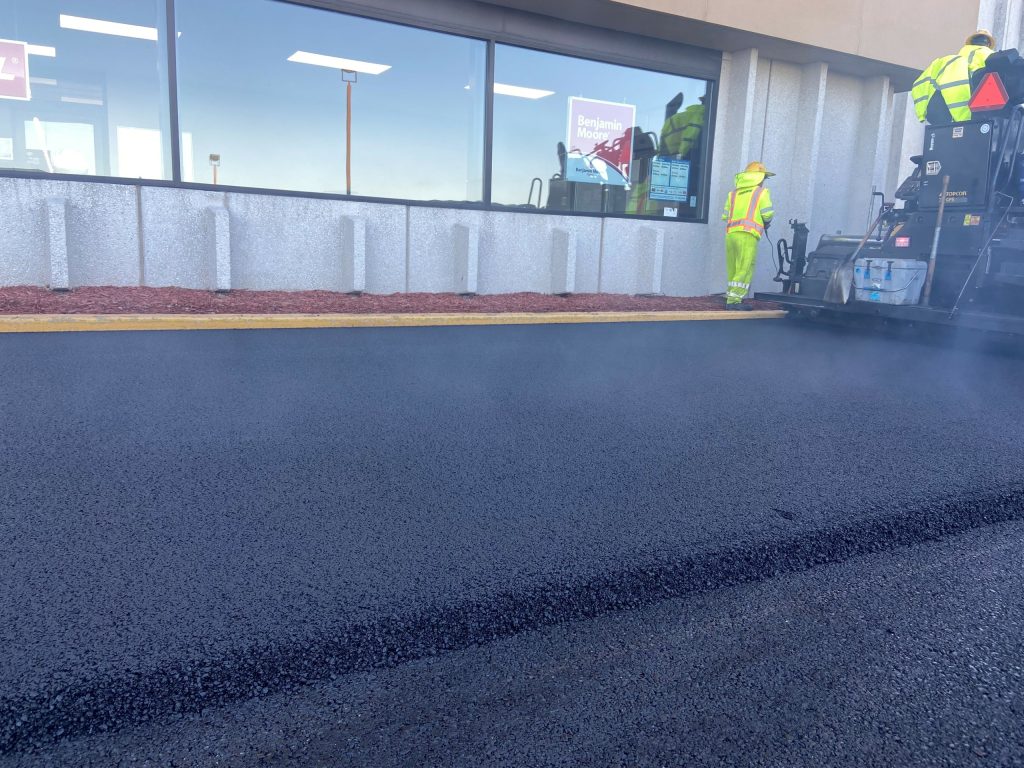

How to Make Asphalt From Used Tires
Learn how asphalt pavements using recycled tires improve cracking resistance, rutting resistance, sustainability, and long-term value for road owners and contractors.
How to Make Asphalt From Used Tires: The Role of Engineered Crumb Rubber
Used tires are one of the most practical recycled materials available to the pavement industry. When properly processed and engineered, scrap tire rubber can be incorporated into asphalt mixtures to improve pavement performance while supporting circular infrastructure goals. The question is not simply how to make asphalt from used tires. The more important engineering question is how to convert scrap tire rubber into a controlled asphalt additive that can be accurately introduced, dispersed, and verified in a production mix.
This article explains the key production, design, and performance considerations behind How to Make Asphalt From Used Tires: The Role of Engineered Crumb Rubber, including where Asphalt Plus dry-process Elastiko® ECR fits into practical asphalt operations.
- How Used Tires Become Engineered Crumb Rubber
- Why Elastiko® ECR Is Different From Loose Tire Rubber
- Wet Process vs. Dry Process Tire Rubber Asphalt
- How ECR Interacts With Asphalt Binder

How Used Tires Become Engineered Crumb Rubber
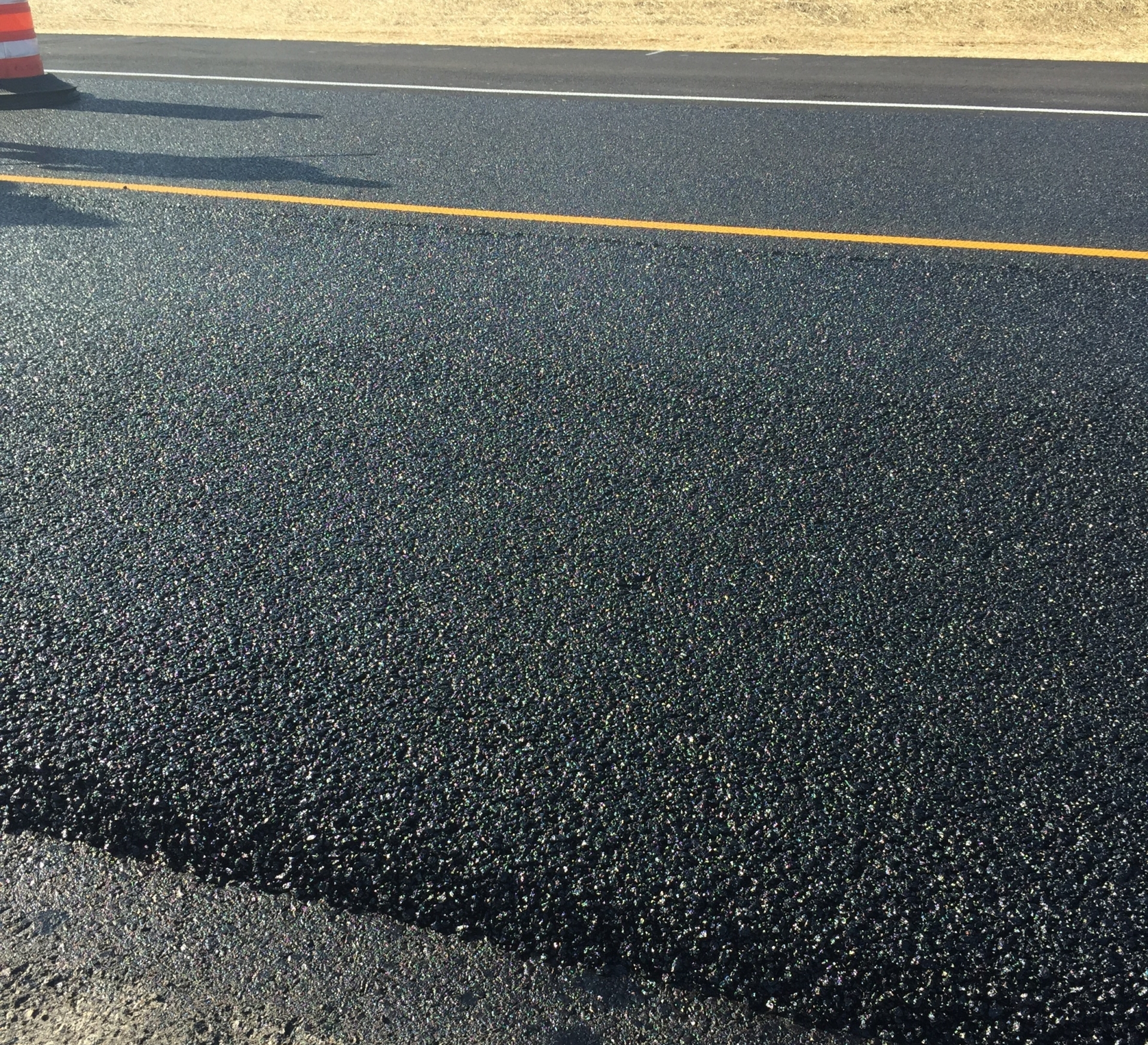
The process begins with tire recycling. Scrap tires are collected, cleaned, shredded, and processed into smaller rubber particles. Steel belts, fibers, and contaminants are removed during processing. The resulting ground tire rubber can then be screened into different particle sizes. Particle size is critical because it affects surface area, binder interaction, dispersion, and the way rubber performs inside the asphalt mixture.
Why Elastiko® ECR Is Different From Loose Tire Rubber
Elastiko® Engineered Crumb Rubber, or ECR, is designed specifically for asphalt mixture modification. It is not simply loose tire dust. It is an engineered crumb rubber product with controlled gradation, moisture, density, and material consistency. ECR is typically specified as a minus-30 mesh material with a mean particle size near 50 mesh, or about 0.5 millimeters. That fine particle size creates a large amount of surface area, helping the rubber interact efficiently with heated asphalt binder.
Wet Process vs. Dry Process Tire Rubber Asphalt
There are two primary ways rubber has historically been used in asphalt: wet process and dry process. In wet-process rubberized asphalt, ground tire rubber is blended with asphalt binder before the binder is added to the mix. This can require specialized blending, holding tanks, agitation, storage management, and attention to separation. In dry-process rubberized asphalt, the rubber is introduced directly into the asphalt plant during mix production. Elastiko® ECR is designed for this dry-process approach.
In dry-process production, ECR is added to the plant much like other mixture additives. It can be fed through a loss-in-weight feeder, modified fiber feeder, or silo system depending on the plant setup. In drum plants, ECR is typically introduced into the mixing zone, often near the RAP collar or another appropriate plant port. The goal is to add the rubber where it can be coated by binder, incorporated into the mix, and protected from the high-velocity air stream going to the baghouse.
How ECR Interacts With Asphalt Binder
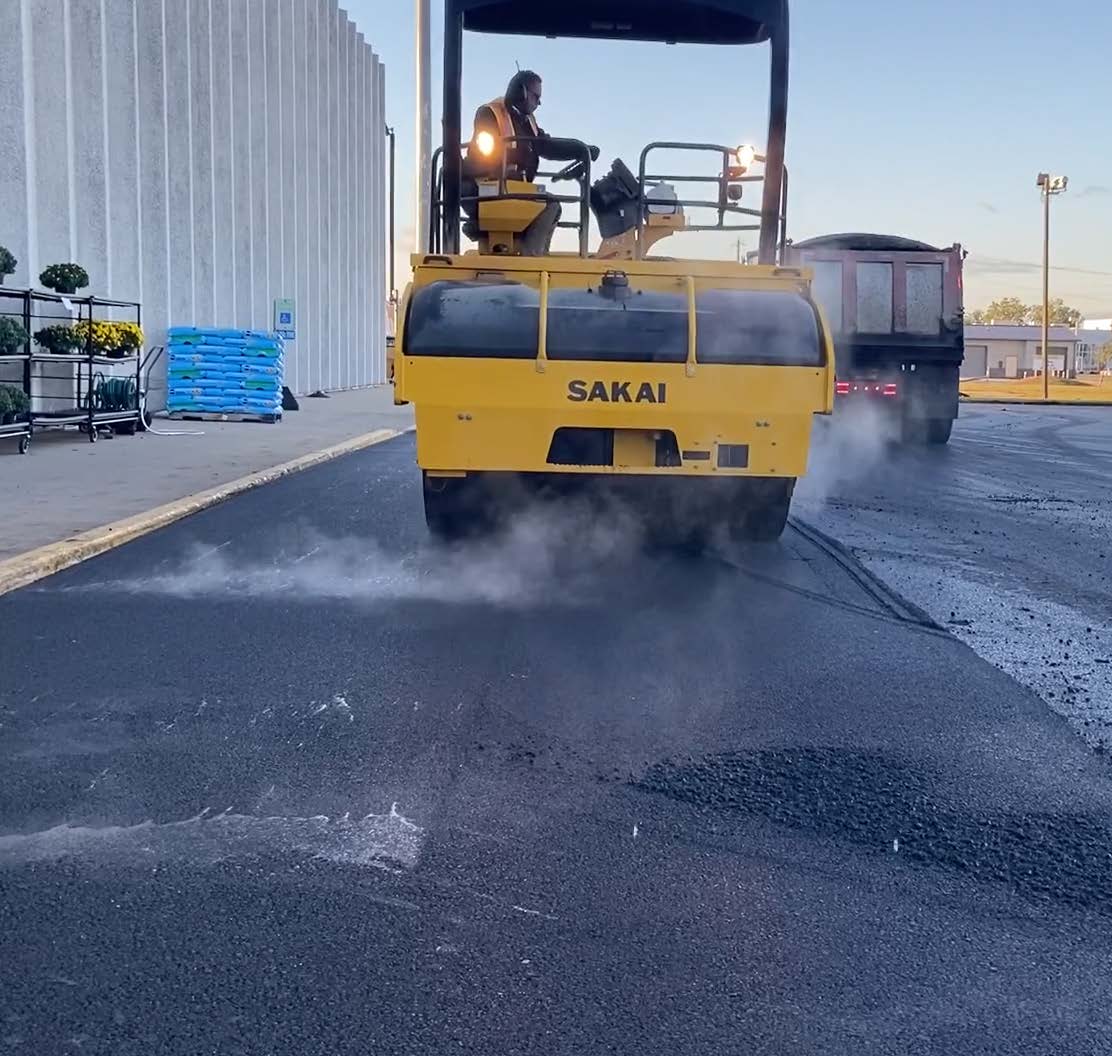
Once ECR enters the asphalt mix, the heated asphalt binder begins interacting with the rubber particles. Tire rubber does not melt at normal asphalt plant temperatures. Instead, the rubber remains as a granular solid in the mixture. The binder coats the rubber and begins absorbing into the rubber surface pores. This interaction can cause rubber particles to swell and become integrated into the mastic structure. The result is a modified asphalt mixture rather than simply a modified binder.
This is why dry-process ECR should be understood as a mixture modification technology. The rubber particles become part of the asphalt mixture structure. They help create a network of energy-absorbing inclusions that can resist crack movement. When a crack tries to propagate through the pavement, the rubber particles can help deflect, pin, or slow the crack path. At the same time, rubber modification can improve rutting resistance by increasing mixture stiffness and enhancing high-temperature performance.
Performance and Sustainability Benefits
Used tires also support sustainability. Every ton of ECR used in pavement represents scrap tire rubber being transformed into infrastructure instead of remaining in low-value disposal channels. This helps reduce landfill pressure, supports recycled material markets, and reduces reliance on virgin polymer modifiers. For public agencies, that creates a strong sustainability story. But the sustainability value only matters if pavement performance holds up. That is why the Asphalt Plus approach emphasizes performance first.
Mix Design and Quality Control Considerations
To make asphalt from used tires successfully, the mix design must account for the rubber. Rubber particles add surface area to the aggregate structure and require binder film. ECR mix designs commonly include supplemental binder to account for absorption into the rubber. This helps avoid producing a dry mix that may compact poorly or become more prone to cracking. In other words, recycled tire rubber is not simply thrown into asphalt. It must be engineered into the mixture.
Quality control is also important. Producers and agencies need confidence that the correct dosage of ECR was added. Loss-in-weight feeder systems can record feed rates and quantities during production. Plant control data can then be compared with total mix production to verify the percentage of rubber used. Loss on ignition testing may also support verification of combined binder and rubber content once appropriate correction factors are established.
The Engineering Value of Tire Rubber Asphalt
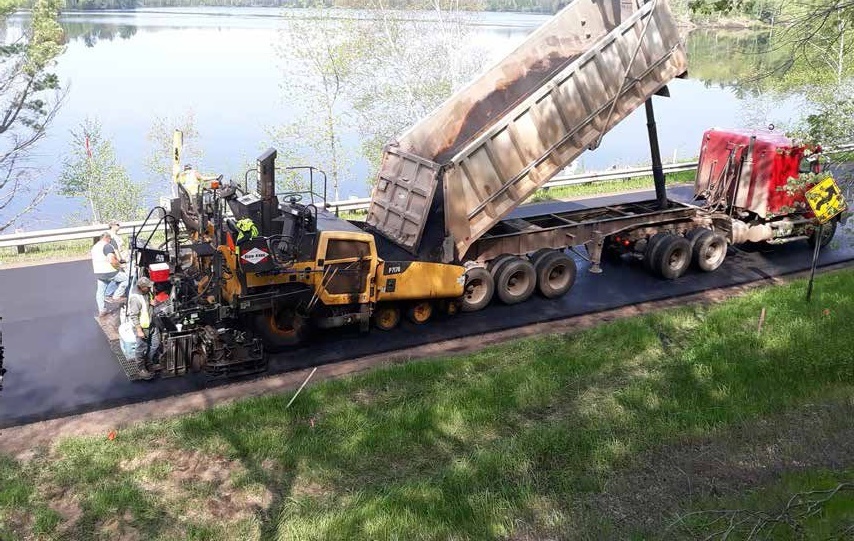
The best use of recycled tire rubber in asphalt is not just a recycling strategy. It is a pavement engineering strategy. Elastiko® ECR allows scrap tire rubber to be used in a way that supports cracking resistance, rutting resistance, plant production flexibility, and cost-effective performance. By using the dry process, Asphalt Plus helps asphalt producers and agencies avoid many of the logistical challenges associated with terminal blending while still gaining the performance advantages of rubberized asphalt.
For infrastructure teams asking how to make asphalt from used tires, the answer is clear: start with clean, controlled, fine-particle engineered crumb rubber; design the mix around rubber interaction; add the material accurately at the plant; allow proper binder-rubber interaction during production and delivery; and evaluate performance at the mixture level. When done correctly, used tires become more than recycled waste. They become a durable pavement resource.
Frequently Asked Questions
Can used tires really be used to make asphalt?
Yes. Scrap tires can be processed into engineered crumb rubber and incorporated into asphalt mixtures. Asphalt Plus uses Elastiko® ECR as a dry-process additive for performance-focused rubberized asphalt.
Does tire rubber melt into the asphalt binder?
No. Vulcanized tire rubber does not melt at normal asphalt plant temperatures. The rubber remains as fine particles that are coated by binder, absorb lighter binder fractions, swell, and become part of the mix structure.
Why is engineered crumb rubber better than uncontrolled tire material?
Engineered crumb rubber has controlled particle size, moisture, density, and consistency. That control helps producers feed it accurately, disperse it throughout the mix, and verify dosage during production.
Next Step
Talk with Asphalt Plus about whether dry-process Elastiko® ECR fits your pavement specification, asphalt plant setup, or upcoming project.