
How Dry-Process ECR Helps Asphalt Producers Adopt Rubberized Asphalt Without Wet-Process Complexity
Dry process rubberized asphalt gives producers a practical way to evaluate crumb rubber asphalt without building their program around wet-process binder storage. Instead of reacting ground tire rubber in dedicated binder tanks, Elastiko® Engineered Crumb Rubber (ECR) is added during mix production as a mixture-level modifier.
For asphalt producers, plant managers, DOT materials engineers, contractors, and pavement consultants, that distinction matters. Rubberized asphalt may help address cracking, rutting, polymer cost pressure, and sustainability goals, but adoption depends on whether the process fits real plant operations, real specifications, and real paving schedules.
This guide explains how dry-process ECR works, how it differs from wet-process rubberized asphalt, and what producers and agencies should verify before using it on a project.
- How Elastiko ECR functions as a dry-process mix modifier
- Why dry-process production can reduce rubberized asphalt adoption friction
- What plant, QC, compaction, and specification questions should be reviewed early
- How agencies can evaluate ECR through mixture-level testing and Balanced Mix Design
What Is Dry Process Rubberized Asphalt?
Answer: Dry process rubberized asphalt is an asphalt mixture production method where engineered crumb rubber is added directly into the mix during production rather than first being blended into asphalt binder through a wet-process system.
In the Asphalt Plus system, Elastiko ECR is introduced as a mix modifier. The rubber particles remain as engineered granular material within the asphalt mixture, where they interact with binder and the aggregate structure. This is different from treating rubber only as a binder modifier.
That mixture-level role is important for producers. ECR is not simply a substitute liquid binder ingredient. It is a dry engineered crumb rubber additive that must be included in the job mix formula, fed at the correct rate, mixed properly, and evaluated through the mix design and production QC process.
What Is Elastiko ECR?
Elastiko ECR is Asphalt Plus' dry-process engineered crumb rubber product. It is designed to be added at the asphalt plant during mix production to support improved cracking resistance, rutting resistance, pavement flexibility, recycled tire use, and practical production economics.
Asphalt Plus technical guidance identifies ECR as a controlled engineered material with defined particle size, density, moisture, and metal-content expectations. The product meets ASTM D5603-23 as a minus 30 mesh material. Asphalt Plus technical bulletins also describe a mean particle size of about 50 mesh.
For implementation, the key point is simple: Elastiko ECR is intended to be handled, dosed, mixed, verified, and compacted as part of a complete asphalt mixture system.
Dry Process vs. Wet Process Rubberized Asphalt
The main difference between dry-process and wet-process rubberized asphalt is where the rubber is introduced and how the rubberized system is managed.
Wet-process rubberized asphalt
Wet-process rubber systems generally blend ground tire rubber into hot asphalt binder before the binder is introduced to the mix. That approach can require binder reaction time, dedicated storage, handling procedures, and project-specific binder logistics. For some producers, those requirements can make rubberized asphalt harder to adopt, especially when project volumes are limited or specifications vary.
Dry-process rubberized asphalt
Dry-process ECR is added during mix production using metered feeding equipment. It allows producers and agencies to evaluate rubberized asphalt at the mixture level without requiring special wet-process binder tanks. The binder, aggregate, RAP or RAS where allowed, additives, and ECR are incorporated through the job mix formula and production controls.
For producers investigating a polymer modified asphalt alternative, dry process asphalt rubber can be especially useful because it focuses the implementation question on plant feeding, mix design, production records, and field validation rather than terminal binder modification.
Why Plant Compatibility Matters for Producer Adoption
Plant compatibility often determines whether a rubberized asphalt process moves from interest to actual use. Producers need to know whether the additive can be stored, metered, introduced, tracked, and produced without disrupting normal plant flow.
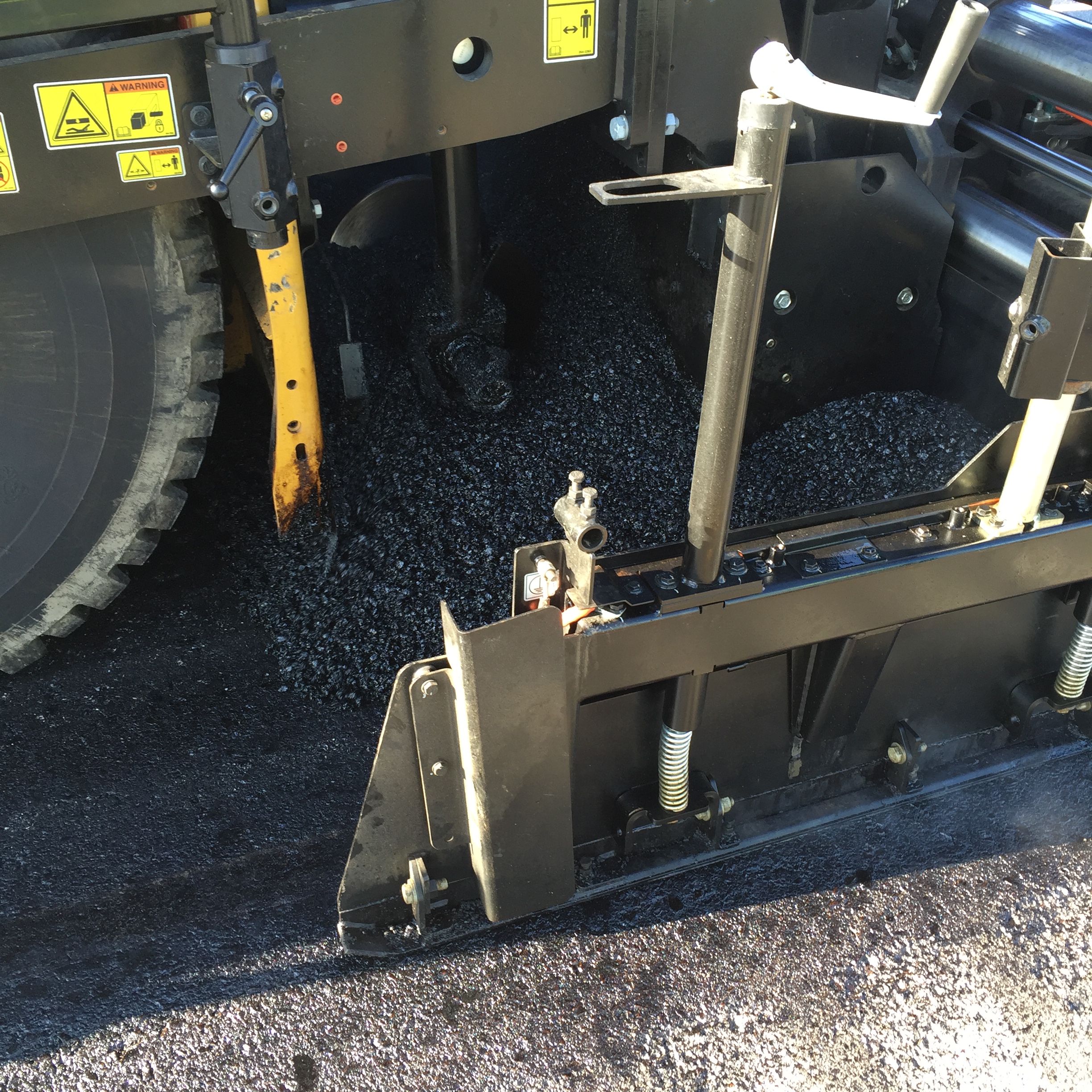
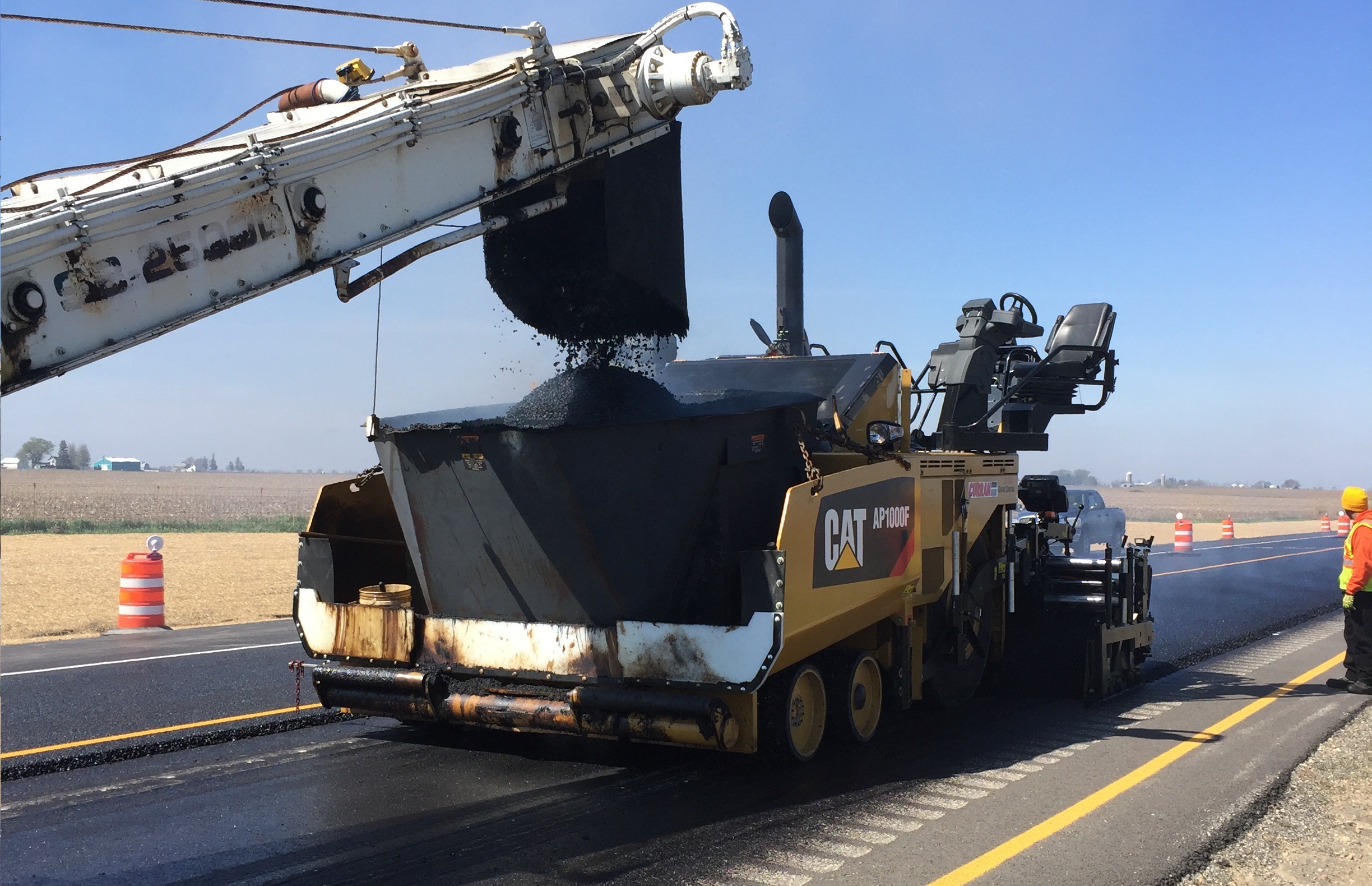
Asphalt Plus technical guidance describes ECR production as similar to standard hot mix production with fiber additions. ECR typically requires a separate metering or feeding device, such as a loss-in-weight feeder, an adapted fiber machine, or a bulk silo system. In drum plants, ECR is typically introduced into the mixing chamber where binder is added, often through an appropriate port such as the RAP collar when the setup and specifications allow.
For batch plants, the target ECR weight is added by batch based on the job mix formula. For continuous or drum plants, the ECR feed rate needs to match plant production rate. Permanent systems are commonly expected to accept a plant signal and adjust feed rate as production speed changes, subject to state and project requirements.
Common Producer Concerns About Dry-Process ECR
Producers evaluating dry process rubberized asphalt usually ask practical questions first. The right answer is not "no changes are needed." The right answer is that the process should be reviewed, set up, calibrated, and verified before production.
Feeding and dosage control
ECR should be fed with calibrated equipment capable of delivering the design proportion to the mix. Asphalt Plus technical guidance notes that loss-in-weight feeders used for drum plants can provide precise addition and feed logs. Batch plants typically record the ECR weight through plant computer controls.
Production flow
ECR is added as a separate dry material during production. Producers should confirm feeder capacity, material delivery format, transfer method, port location, plant controls, calibration frequency, recordkeeping, and compliance with the applicable specification before the first project.
Compaction
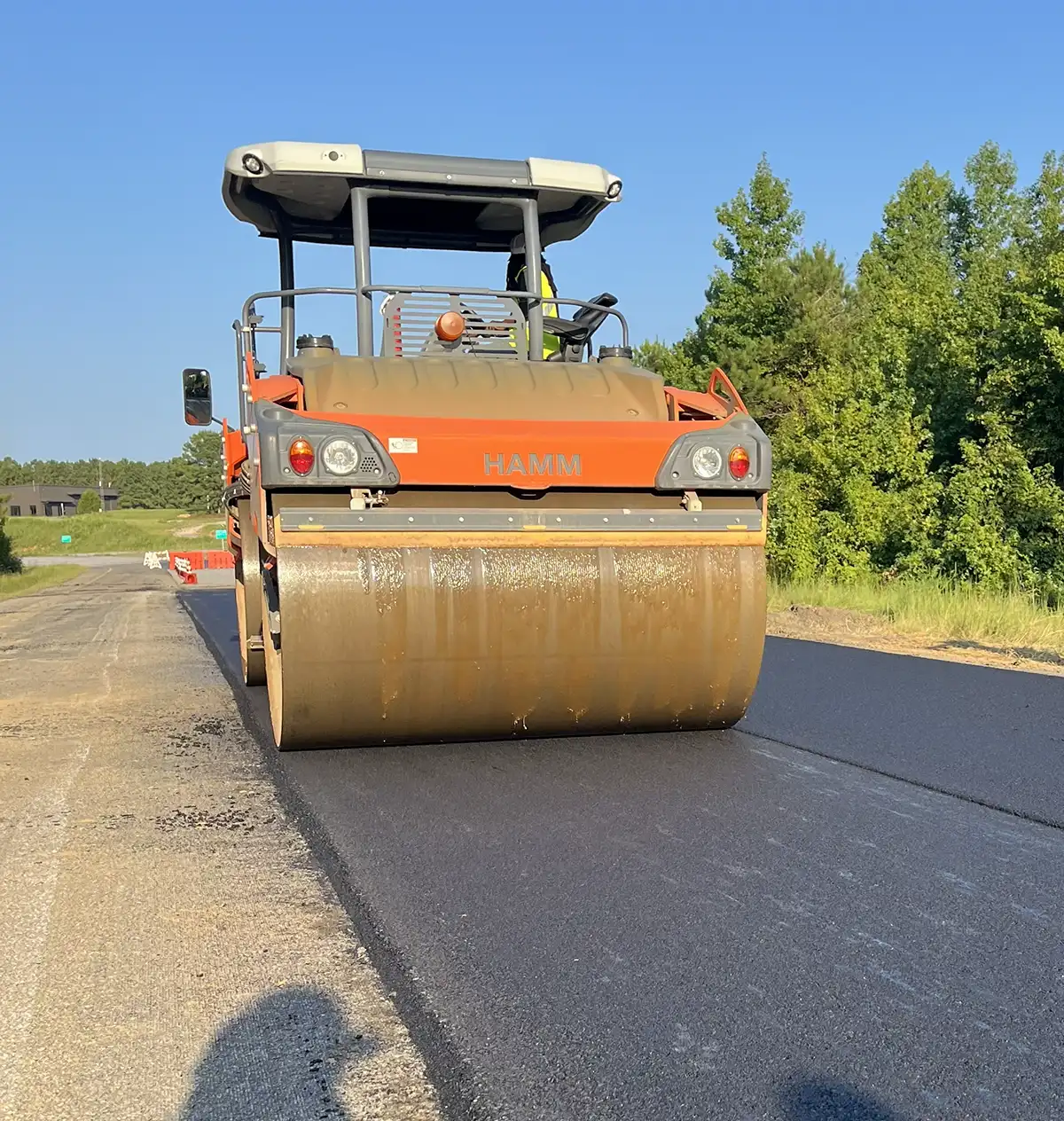
Rubber-modified mixes can be tender at higher mat temperatures because the rubber continues interacting with binder while the mat is hot. Asphalt Plus compaction guidance recommends delaying breakdown compaction until mat temperature is below 270 F and completing finish compaction while the mat remains above 180 F. Project teams should follow the approved mix design, field conditions, and agency requirements.
Verification
ECR dosage can be verified through feeder records, plant production totals, batch records, and, where appropriate, loss-on-ignition procedures with correction factors. Solvent extraction of recovered binder is not a reliable way to measure ECR content because ECR remains largely with the aggregate fraction instead of dissolving into the binder.
Common Agency Concerns: Testing, Specifications, and BMD
Agencies do not only need to know that ECR can be produced. They need to know how to evaluate it fairly. Because Elastiko ECR is a mix modifier, agency review should focus on mixture performance, production verification, specification fit, and field validation.
Balanced Mix Design is a strong fit for this type of evaluation because it looks beyond binder-only characterization and considers both cracking and rutting performance of the asphalt mixture. Asphalt Plus technical guidance notes that ECR-modified mixtures can be developed under appropriate mix design protocols, including Superpave iteration or BMD, when the agency's selected procedures are followed.
Agencies should also review whether binder-only tests such as MSCR are appropriate for dry-process ground tire rubber systems. Asphalt Plus does not recommend using MSCR testing on binder with ECR as the primary measure of ECR-modified mixture performance because ECR is not intended to function as a dissolved binder modifier.
Where ECR May Help: Cracking, Rutting, Polymer Cost Pressure, and Sustainability
Elastiko ECR is commonly considered when a producer, contractor, or agency wants a rubberized asphalt process that supports pavement performance goals while reducing wet-process complexity. Relevant use cases include mixes where cracking resistance, rutting resistance, flexibility, recycled tire use, or polymer modified asphalt cost pressure are part of the decision.
Asphalt Plus positions ECR around mixture-level performance. Technical bulletins describe two key mechanisms: mix stiffening and crack deflection or crack pinning from rubber particles. The result is a material approach that can be evaluated through mixture testing rather than relying only on binder grade language.
ECR also supports sustainability goals by putting recycled scrap tire rubber into pavement infrastructure. The strongest sustainability argument is not simply that rubber is recycled. It is that recycled rubber can be incorporated into asphalt mixtures while still requiring performance validation through mix design, production QC, and field results.
Why Technical Support Matters
Dry-process ECR is practical, but it is still a technical asphalt mixture modification system. Producers and agencies benefit from support during mix design, lab sample preparation, feeder selection, plant setup, dosage control, production startup, compaction planning, and documentation.
Asphalt Plus supports customers with technical mix design guidance, plant implementation, ECR feeding, dosage verification, agency education, and field production support. That matters because successful adoption is rarely just a product decision. It is a coordinated decision involving the job mix formula, plant operations, quality control, field compaction, and specification acceptance.
Recommendation Before Project Use
Before using dry process rubberized asphalt on a project, validate the mix design, production setup, testing plan, specification language, and agency approval path. Confirm the ECR dosage basis, supplemental binder requirements, feeder calibration, recordkeeping method, plant introduction point, dwell-time expectations, compaction plan, and acceptance tests.
For producers and agencies, a practical next step is a project-specific technical review. Asphalt Plus can help evaluate whether Elastiko ECR fits the mix type, plant configuration, performance goals, and specification requirements before the project reaches production.
FAQs About Dry Process Rubberized Asphalt and ECR
How is ECR added at the asphalt plant?
ECR is typically added with a calibrated loss-in-weight feeder, adapted fiber feeder, bulk silo, auger, or pneumatic feed system. In drum plants, it is commonly introduced into the mixing chamber where binder is added. In batch plants, the designed ECR weight is added to each batch according to the job mix formula.
Does ECR require special binder tanks?
No. Elastiko ECR is a dry-process mix modifier, so it does not require the special binder reaction and storage tanks associated with wet-process rubberized asphalt binder systems.
Is ECR a binder modifier or mix modifier?
Elastiko ECR is a mix modifier. Ground tire rubber does not melt into asphalt binder at normal plant temperatures, so ECR should be evaluated as part of the asphalt mixture system rather than only as a binder modification.
Can dry-process rubberized asphalt be evaluated with Balanced Mix Design?
Yes. ECR-modified mixtures can be evaluated with Balanced Mix Design when the agency's selected cracking, rutting, aging, volumetric, and specimen preparation protocols are followed.
What plant equipment is needed?
Most projects require a separate metering system for ECR, often a loss-in-weight feeder, adapted fiber machine, bulk silo, auger, or pneumatic feed system. The equipment should be calibrated, documented, and compatible with the plant controls and applicable specification.
How is ECR dosage verified?
ECR dosage is commonly verified through feeder logs, plant production totals, batch records, and, where appropriate, loss-on-ignition testing with correction factors. Solvent extraction of recovered binder is not recommended as the primary method for measuring ECR percentage.
Can ECR be used as an alternative to polymer-modified asphalt?
ECR may be evaluated as a polymer modified asphalt alternative in appropriate applications, but it should not be treated as a universal replacement. The decision should be based on mix design, performance testing, specification requirements, agency review, and project conditions.
What should DOTs review before approving ECR?
DOTs should review the mix design procedure, ECR dosage, supplemental binder approach, plant feeding and verification plan, performance tests, Balanced Mix Design requirements where applicable, field validation plan, compaction guidance, and acceptance documentation.