



Dry Prcoess Rubber Asphal Texas Case Study
Dry Process Rubberized Asphalt Odessa Texas Case Study
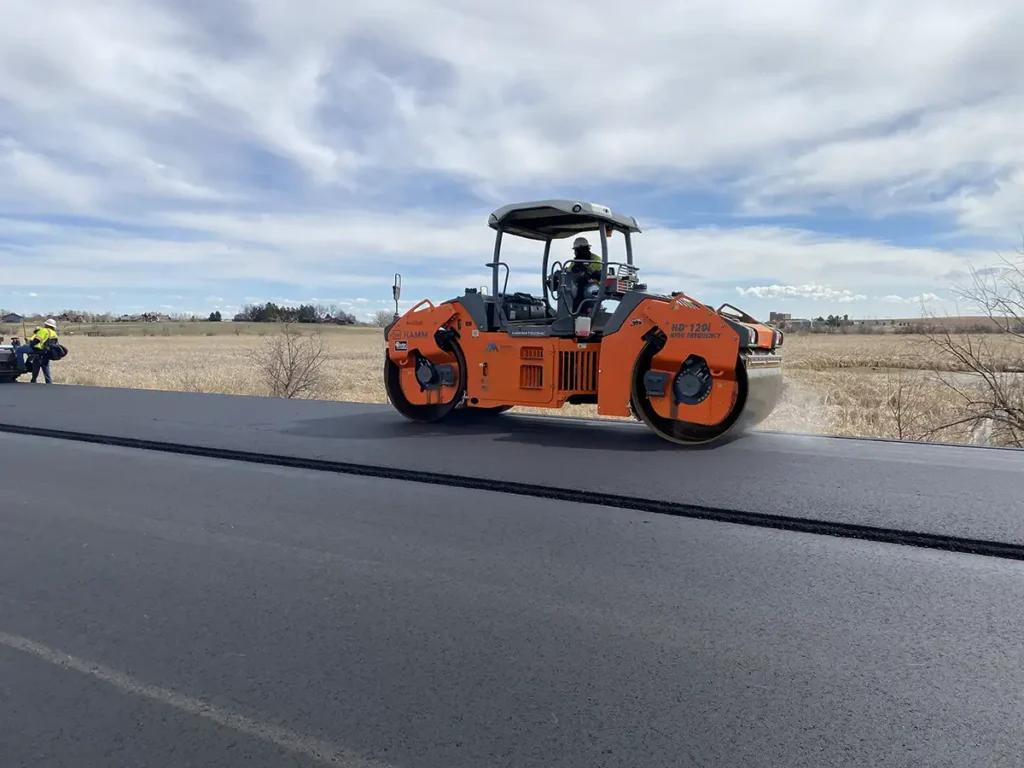
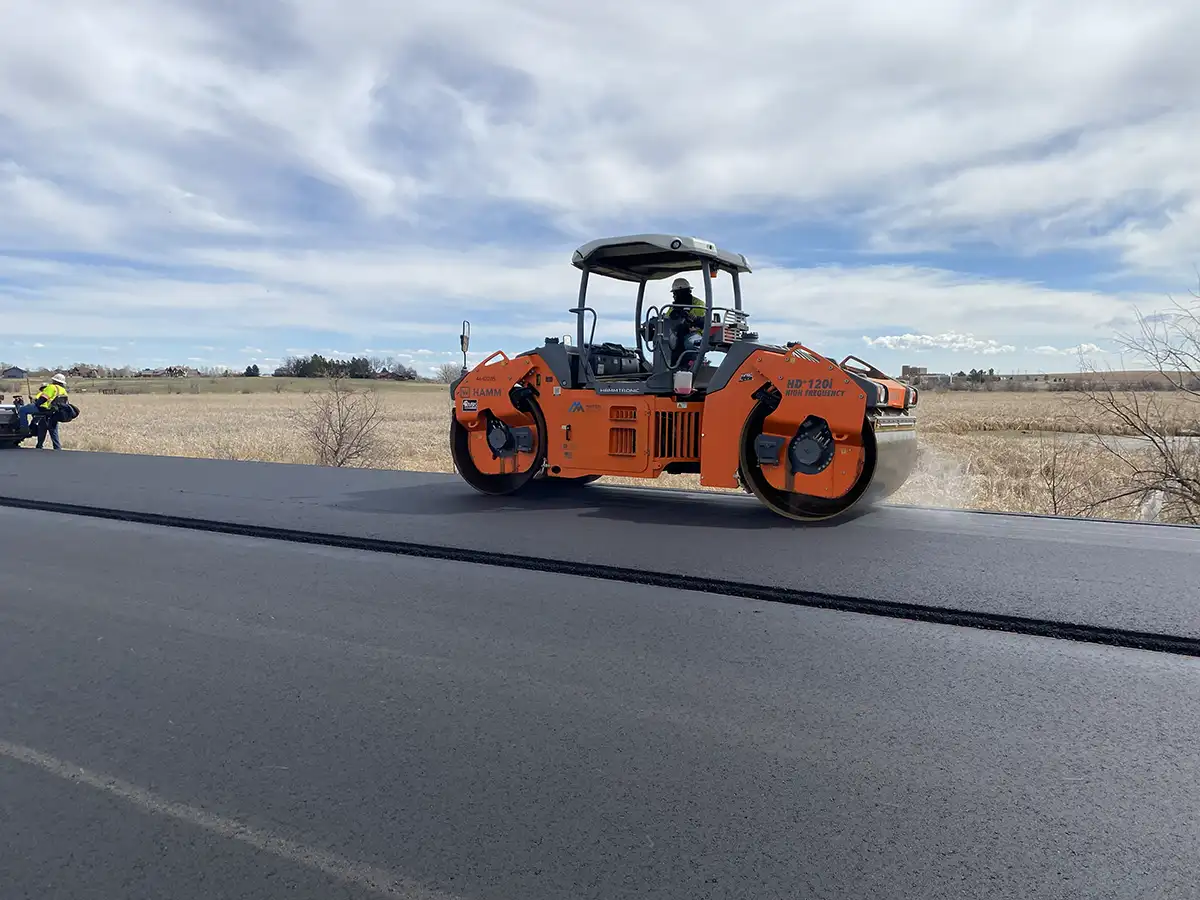
Rubberized Asphalt Odessa Texas Case Study: In late 2021, a local contractor in West Texas and TX DOT laid a SMAR-F asphalt mix modified with ECR on Texas Route 385-Odessa District in McCamey, TX to compare Dry Process rubber addition to existing Wet Process technologies.
Project Overview
A local contractor in West Texas and TX DOT laid a SMAR-F asphalt mix that was modified with ECR in late 2021.
Project Location
Texas Route 385-Odessa District, McCamey, TX.
Texas Route 385-Odessa District
McCamey, TX
TX DOT Project (2021) Produced Samples
Atlas Labs performed various testing and determined that 16% ECR was the optimal dose rate. Based on that, 16% ECR was mixed with a Texas based PG 64-22 binder to verify performance.
TxDOT Item 300, Table 16, A-R Binder - Atlas
Passed all tests
Ideal Crack Test – by MAPIL
494 with a 14.5% COV over 4 replicates
Hamburg WTT @ 20,000 passes - Atlas
4.2 mm with a
After passing the initial laboratory tests for the Rubberized Asphalt Odessa Texas Case Study, we were able to move forward with full production.
During production, samples were randomly pulled from the trucks and tested following TX DOT guidelines.
Performance testing on the ECR production samples showed excellent cracking and rutting resistance as illustrated below.
Texas Overlay– by TxDOT
1000 Cycles; Input CFE 412; Output CFE 2.3; Crack Progression Rate -0.24
Hamburg Wheel Track Test @ 20,000 passes
9.2 mm with a
Testing Results Summary
TxDOT Item 300, Table 16, A-R Binder - Atlas: Pass all tests
Ideal Crack Test – by MAPIL: 494 with a 14.5% COV over 4 replicates
Hamburg WTT @ 20,000 passes - Atlas: 4.2 mm with a
Hamburg Wheel Track Test @ 20,000 passes: 9.2 mm with a
Post-Production Testing: Evaluation of Cores
During the summer of 2023, TxDOT collected cores on this project from both the Wet Process Rubber and the Dry Process Rubber to evaluate cracking resistance. This field performance data illustrates that the Dry Process Rubber is outperforming Wet Process Rubber from a cracking resistance standpoint after 2 years of service.


Request Webinar
Use the form below and we’ll follow up with specs, guidance, and next steps.