Engineered Crumb Rubber Asphalt Cost & Analysis
Crumb Rubber Asphalt Cost & Analysis comprises a series of activities, such as materials production, construction, maintenance etc., all of which have environmental impacts.
Rubber Asphalt Cost Analysis
Crumb Rubber Asphalt Cost & Analysis comprises a series of activities, such as materials production, construction, maintenance, and long-term pavement performance, all of which have environmental and economic impacts. Rubber asphalt is not new, but it is now resurfacing throughout the United States as more agencies and producers recognize its value.
Rubberized asphalt is produced from grinding whole scrap tires from automobiles. The ground rubber is then combined with Elastiko™ and mixed into the asphalt before placement. This process creates a high-performance pavement option that can deliver durability and savings at the same time.
This rubber asphalt cost analysis highlights how ECR-modified asphalt supports:
- Lower mix costs compared to polymer modified asphalt
- Faster plant throughput and improved production efficiency
- Reduced truck and plant cleanout waste
- Extended paving opportunities in colder temperatures
- Improved compaction efficiency in the field
- Durable pavement performance in thinlay and other applications
Rubberized Asphalt Analysis and Cost
People who manage roads, especially publicly funded ones, are being asked to do more with less because of tighter budgets. That is where rubber asphalt cost analysis becomes so valuable. Everyone knows that ECR-modified asphalt is less expensive to produce than polymer modified mixes.
This reduced expense is passed along to road managers through lower bids, allowing limited resources to stretch further. In practical terms, road owners are not only getting better roads, but they are also getting better roads at a better price. The result is a combination that matters: lower bid costs and improved pavement performance.

Rubberized Asphalt Benefits
One of the strongest advantages of ECR is that it improves the economics of asphalt production while also supporting pavement quality. These are some of the key benefits that influence rubber asphalt cost and overall project value:
Lower Mix Costs
ECR reduces the cost of a two-grade bump by approximately $2 to $4 per mix ton. This gives producers and agencies a direct way to improve performance without taking on the full cost burden often associated with polymer modification.
Faster Plant Throughput
ECR makes your plant run faster compared to polymer modified mixes. Lower mix viscosities can permit 10 to 15% faster plant throughput, improving plant productivity and helping projects move more efficiently.
Less Waste
ECR generates less waste because mixes leave the truck with almost no residue in the bed. This reduces truck cleanout waste and helps improve operational efficiency on the production and paving side.
Extended Paving Season
ECR mixes can allow paving and compaction in colder temperatures, which may help contractors extend the paving season and keep projects moving even when conditions become less favorable.
More Efficient Compaction
ECR mixes typically require 10 to 20% fewer roller passes to achieve compliant compaction. This helps crews save time, reduce fuel use, and improve overall paving efficiency.
Thinlay Performance
ECR pavements work well in thinlay applications. Compared to standard unmodified hot mix asphalt, ECR pavements can achieve greater durability with thinner lifts, supporting cost-effective pavement design and rehabilitation strategies.
Why ECR Lowers Rubber Asphalt Cost
There are many benefits for asphalt plants when they use Elastiko™ ECR instead of polymer as a means of modification. Polymer modified asphalt tends to be sticky and harder to process through a plant’s system. As a result, production rates can be significantly lower than when using ECR to modify the mix.
By contrast, there tends to be little to no buildup in conveyors, silos, or other plant equipment when using ECR. This improves daily plant operation, reduces interruptions, and contributes to a cleaner, more efficient production process.
When you add up all of these production and paving benefits, ECR has the ability to significantly reduce rubber asphalt costs. Elastiko™ ECR permits modification at the mix plant instead of the terminal and produces a high-quality pavement at a substantially reduced cost.
ECR helps reduce rubber asphalt cost by lowering material expense, improving throughput, reducing waste, and simplifying plant operations compared to polymer modified mixes.
Geographic Project Applications
Rubberized asphalt using Elastiko™ is a rapidly growing alternative to polymer modification. More and more states are seeing the benefits of rubber in asphalt, and with additional testing and years of process refinement, the advantages continue to become more visible in the field.
The product has been successfully used in multiple states across a wide range of climates. It has been applied in many asphalt mix designs and used on full depth replacement, overlay, and thinlay projects. It has also performed on light, medium, and heavy traffic roads for more than a decade.
With multiple millions of tons field-tested and in service, Elastiko™ ECR has demonstrated that it is a substantially less expensive alternative to other forms of asphalt modification while still delivering dependable pavement performance.
How Rubber Asphalt Works
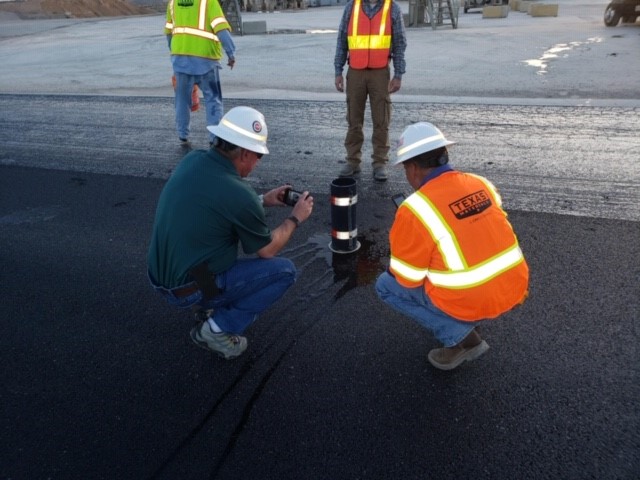
A chemically engineered crumb rubber product called Elastiko ECR is fed into the plant during mix production, much like a fine aggregate. The heated binder reacts with the ECR during mixing, storage, and transport.
The delivered mix lays and performs like a polymer-modified pavement, but at a fraction of the cost. This is one of the main reasons rubber asphalt cost analysis continues to point producers and agencies toward ECR as a practical and cost-effective solution.
ECR reduces the cost of a two-grade bump by $2 to $4 per mix ton, increases plant throughput by 10 to 15%, and generates less waste because little material remains in the truck bed after delivery. Together, these benefits help lower total rubber asphalt cost while maintaining pavement quality.
Elastiko™ ECR delivers polymer-like pavement performance at a substantially reduced cost.
Conclusion
Rubber Asphalt Cost Analysis shows that ECR provides a clear economic and operational advantage for asphalt producers, contractors, and road agencies. It lowers mix costs, improves plant throughput, reduces waste, supports efficient compaction, and performs well across a wide range of applications.
For organizations looking to maximize pavement value while controlling production and project costs, Elastiko™ ECR offers a proven way to produce durable, high-quality rubberized asphalt at a more affordable price.