Asphalt Plus Dry-Process ECR Implementation
Dry-Process Rubberized Asphalt Implementation with Elastiko® ECR
Rubberized asphalt performance goals without requiring wet-process binder storage. Elastiko® ECR is added directly at the asphalt plant during mix production, helping agencies, producers, and contractors evaluate rubberized asphalt with greater implementation confidence.
Audience Selector
Choose the implementation path that matches your role.
Dry-process ECR adoption looks different for agencies, asphalt producers, and paving contractors. This page is organized around the questions each team needs answered before moving forward.
DOT / Agency Teams
Evaluate Elastiko® ECR for specification development, pilot projects, Balanced Mix Design alignment, sustainability goals, and available field documentation.
View Specification SupportAsphalt Producers
Review feeder setup, dosage control, plant compatibility, production workflow, QA/QC expectations, and mix design support before introducing ECR into production.
Review Plant SupportPaving Contractors
Understand workability, compaction expectations, field support, project planning, and how dry-process rubberized asphalt can fit practical paving schedules.
See Field FAQsHow ECR Works
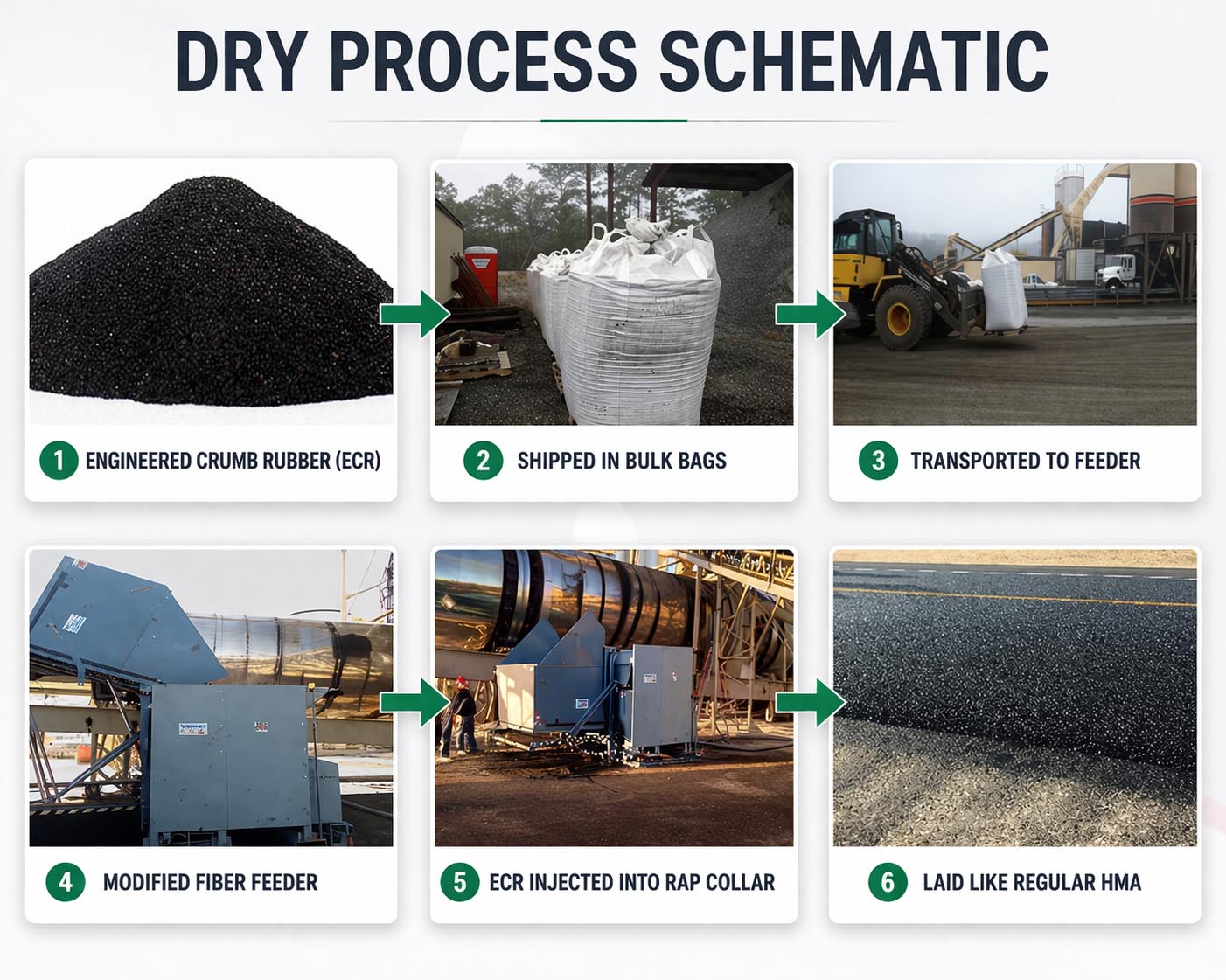
Elastiko® ECR is added directly at the asphalt plant during mix production.
Unlike wet-process rubberized asphalt systems that require dedicated binder storage and handling, Elastiko® ECR is designed for dry-process implementation. The engineered rubber product is metered into the asphalt plant during production so it can be incorporated into the mix using familiar plant and paving workflows.
Review Plant Configuration
The implementation process starts with a review of the plant setup, available feed equipment, production goals, and project requirements.
Feed ECR During Production
Elastiko® ECR is added during asphalt mix production, commonly through a controlled feed approach that supports consistent dosage.
Place with Field Support
The mix is produced, hauled, placed, and compacted with practical support for QA/QC, field observations, and project documentation.
Why It Matters
A practical path to rubberized asphalt performance without wet-process complexity.
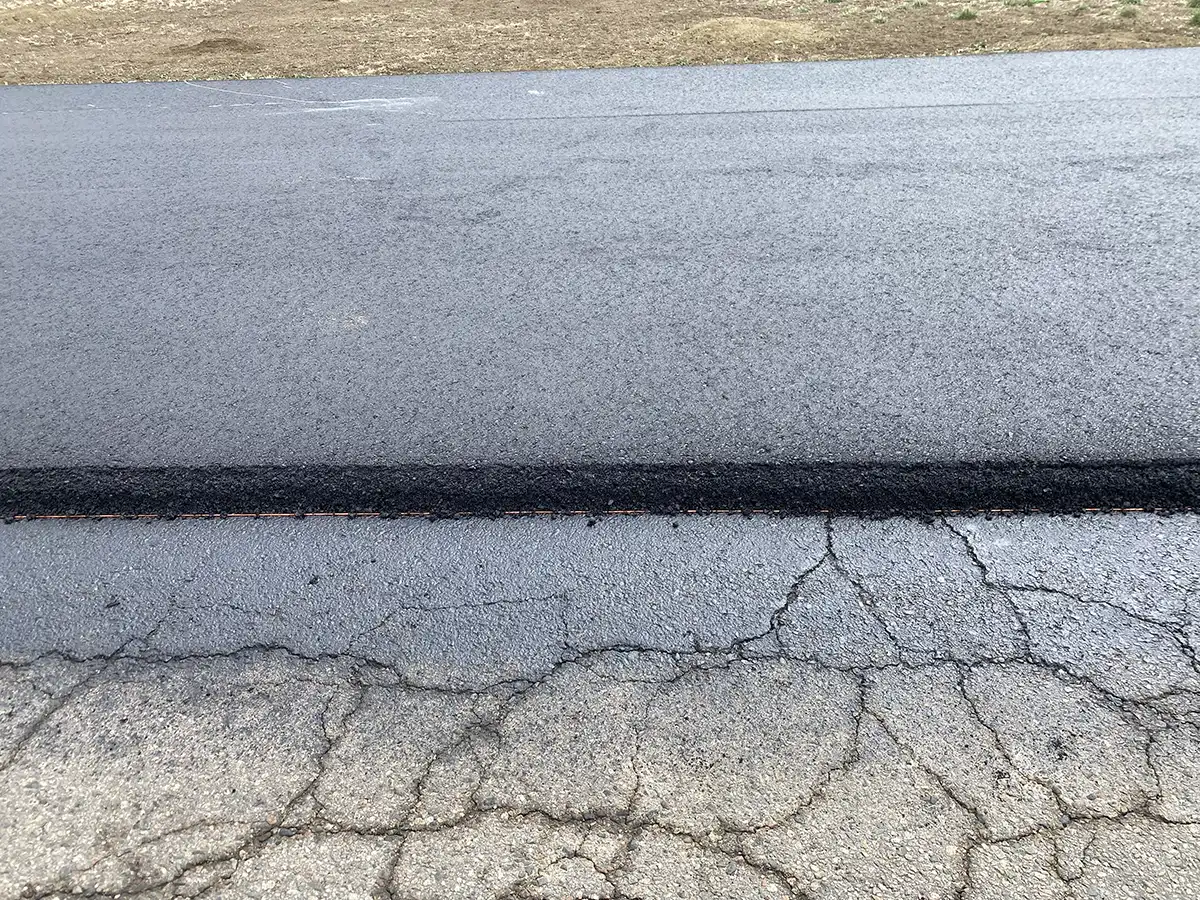
Elastiko® ECR gives agencies and project teams a dry-process route to rubberized asphalt performance goals while helping address barriers tied to binder storage, polymer cost pressure, and plant implementation.
Cracking Resistance
Supports pavement designs focused on cracking resistance and long-term durability goals.
Rutting Resistance
Helps teams evaluate performance-focused asphalt mixes for heavy traffic and demanding pavement conditions.
Sustainability
Creates a productive use for recycled tire rubber while supporting agency sustainability and material reuse goals.
Plant Compatibility
Designed for dry-process addition at the asphalt plant instead of wet-process binder storage systems.
Polymer Cost Pressure
Gives project teams another performance-focused option as polymer pricing and availability create budget pressure.
Implementation Support
Connects agencies, producers, and contractors with technical support before and during adoption.
Implementation Confidence
Support for the details that shape field execution.
Dry-process ECR implementation should not leave plant teams guessing. Asphalt Plus supports the practical decisions that matter before production begins and while the project is in the field.
Feeding
Asphalt Plus helps review feed method, plant interface, metering approach, and the appropriate way to introduce Elastiko® ECR into the production process.
Dosage
Asphalt Plus helps align dosage planning with the project specification, mix design, production requirements, and QA/QC expectations.
QA/QC
Asphalt Plus helps supports production verification, project documentation, field observations, and communication between agency and production teams.
Mix Design Support
Asphalt Plus helps assist with mix design planning, lab coordination, performance testing conversations, and dry-process adoption questions.
Need help before the first production run?
Request a technical review of your plant setup, project goals, expected specification path, and implementation timeline.
Specification Support
Help agencies and project teams evaluate dry-process ECR with the right documentation.
Elastiko® ECR adoption often requires education, technical documentation, and alignment between agency expectations, producer capabilities, and contractor field execution.
DOT Education
Support agency conversations around dry-process rubberized asphalt, implementation steps, testing approach, and project planning.
Balanced Mix Design Fit
Help teams discuss how ECR fits within performance-focused mixture evaluation and Balanced Mix Design conversations.
Technical Documentation
Provide implementation-focused resources that support internal review, specification development, and pilot project planning.
Verified Proof Area
Review verified ECR case studies and project documentation.
This section intentionally links only to available case studies and documentation. No unconfirmed performance metrics are included on this campaign page.
Odessa, Texas Case Study
Review available project documentation for a Texas rubberized asphalt application.
View TX Case Study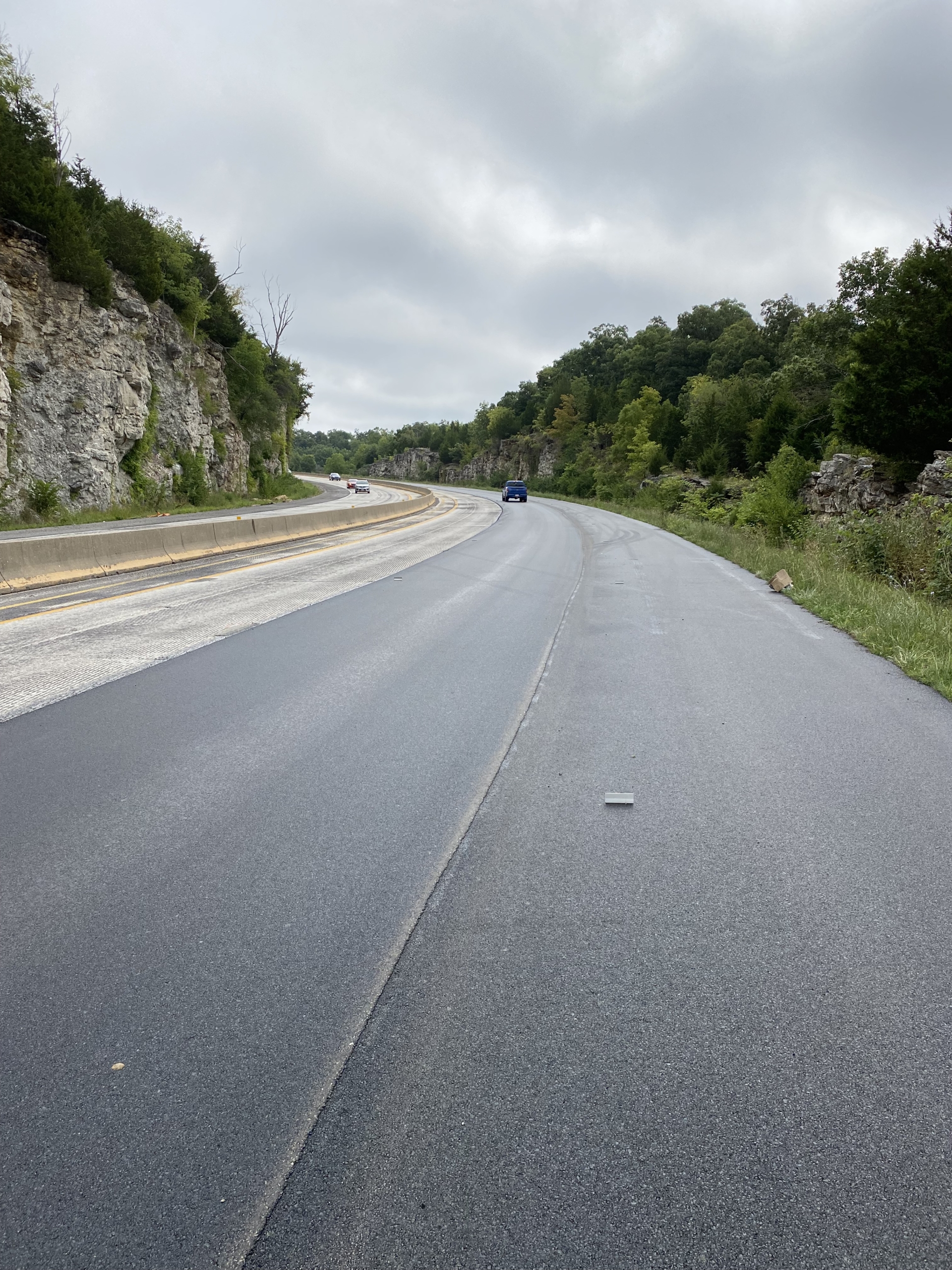
Perry, Georgia Case Study
Review available project documentation for a Georgia crumb rubber asphalt application.
View GA Case Study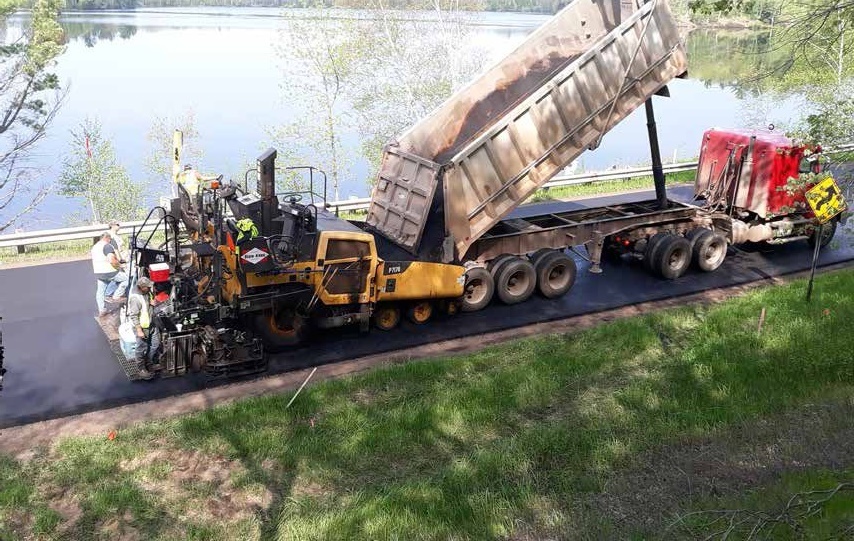
Michigan Project Report
Open the available Michigan project report for dry-process rubberized asphalt documentation.
View MI Report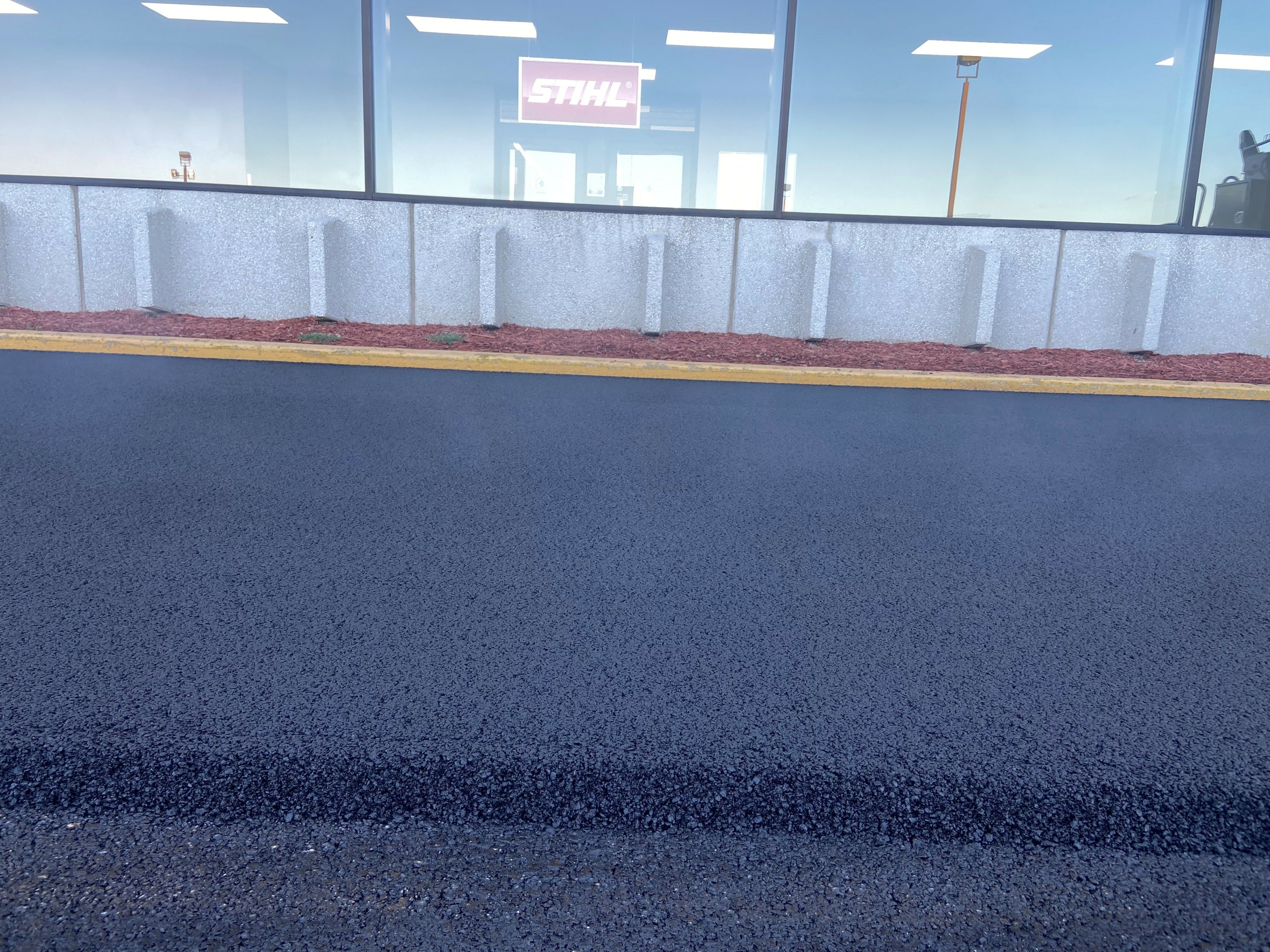
Liberty, Missouri Report
Open the available Missouri paving project report for supporting documentation.
View MO ReportFAQ
Dry-Process ECR Implementation Questions
Practical answers for plant setup, dosage, testing, compaction, and DOT approval conversations.
What plant setup is needed for Elastiko® ECR?
Elastiko® ECR is designed for dry-process addition during asphalt mix production. The appropriate setup depends on your plant configuration, feed equipment, production goals, and project requirements. Asphalt Plus can review your plant and recommend an implementation approach.
How is dosage determined?
Dosage should be aligned with the project specification, mix design goals, production workflow, and QA/QC plan. The Asphalt Plus team can support dosage planning before production begins.
Does ECR require binder testing or mixture testing?
Dry-process ECR is typically evaluated through the mixture because the engineered rubber is added during mix production rather than stored as a wet-process modified binder. Testing expectations should be confirmed with the agency, specification, and project team.
Does dry-process ECR change compaction expectations?
Compaction planning should be part of the implementation review. Field support can help contractors understand project-specific workability, rolling patterns, temperature considerations, and density targets.
How does a DOT approve or evaluate ECR?
DOT evaluation may include education, documentation review, mixture performance testing, pilot projects, Balanced Mix Design discussions, and review of available case studies. Asphalt Plus can support agency and project-team conversations.
Next Step
Request an ECR Implementation Review.
Share your plant setup, project goals, specification questions, and timeline. Asphalt Plus can help you evaluate whether dry-process Elastiko® ECR is an appropriate fit for your next rubberized asphalt project.
Implementation Review
Get help reviewing plant setup, dosage planning, mix design support, QA/QC, and field implementation needs.
Request an ECR Implementation ReviewAdoption Checklist
Use the dry-process ECR checklist to prepare internal questions before a specification, plant, or project review.
View the Dry-Process ECR Technical Bulletins