Dry-Process Rubberized Asphalt Plant Production
Learn how asphalt pavements using recycled tires improve cracking resistance, rutting resistance, sustainability, and long-term value for road owners and contractors.
One of the biggest barriers to rubberized asphalt adoption has been the perception that rubber modification is complicated. Many producers associate rubberized asphalt with wet-process binder blending, storage tanks, agitation, reaction time, separation concerns, and specialized logistics. Dry-process rubberized asphalt changes that conversation. With Elastiko® Engineered Crumb Rubber, or ECR, rubber is added directly into the asphalt plant during mix production, making the process more practical for producers and easier for agencies to specify.
This article explains the key production, design, and performance considerations behind How Dry-Process Rubberized Asphalt Simplifies Plant Production, including where Asphalt Plus dry-process Elastiko® ECR fits into practical asphalt operations.
- What Dry-Process Rubberized Asphalt Means
- A Familiar Workflow for Asphalt Producers
- No Terminal Blending or Rubberized Binder Storage
- Plant Compatibility and ECR Feed Locations
What Dry-Process Rubberized Asphalt Means
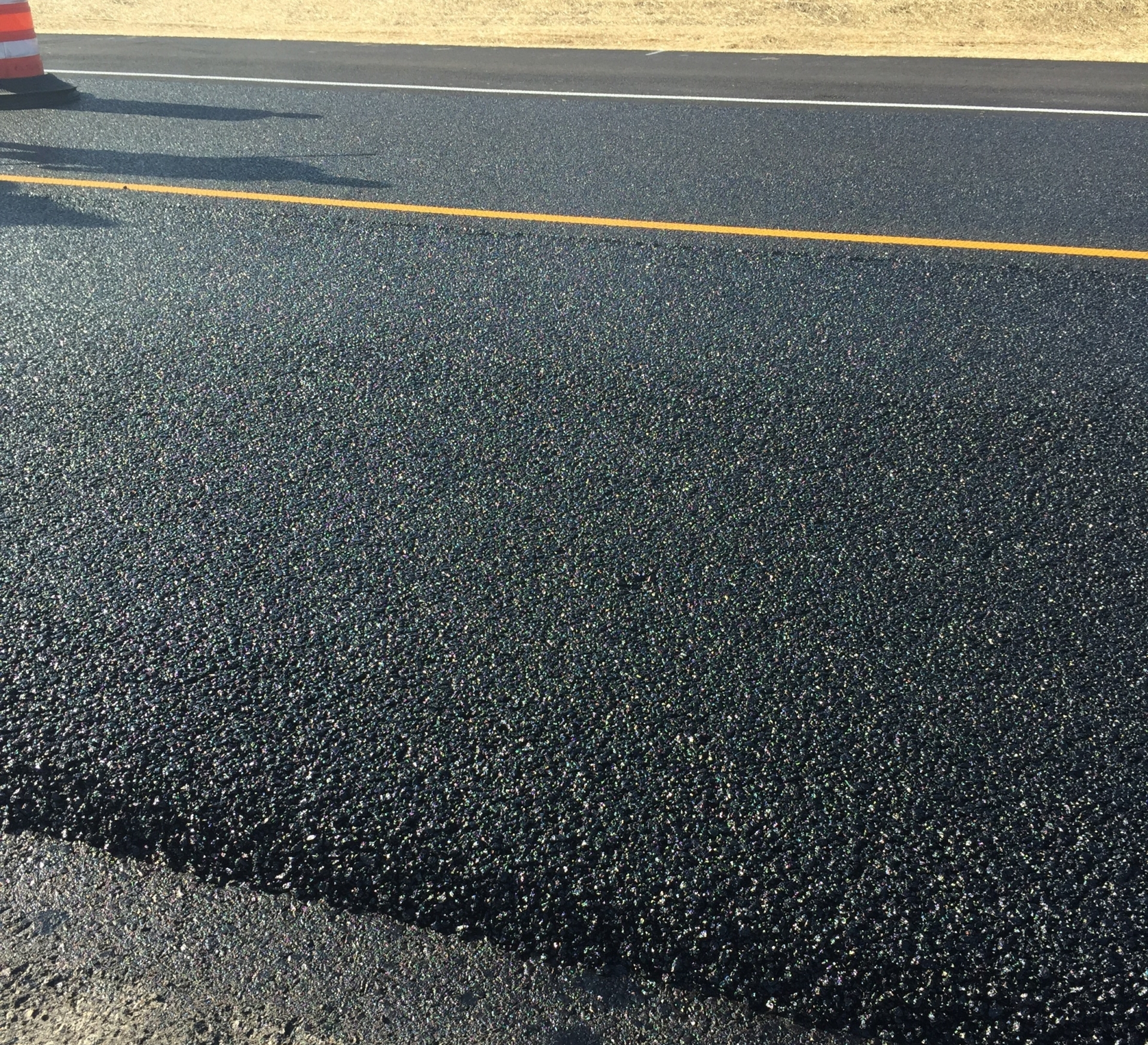
Dry-process rubberized asphalt is based on a simple principle: modify the asphalt mixture, not just the binder. Tire rubber is vulcanized, meaning it does not melt at normal asphalt plant temperatures. Instead of trying to treat the rubber as a liquid binder component, dry-process ECR uses fine rubber particles as a mixture additive. The particles remain in the mix, interact with asphalt binder, and contribute to cracking and rutting resistance at the mixture level.
A Familiar Workflow for Asphalt Producers
For producers, the production process is familiar. Asphalt plants already manage multiple material streams: aggregate, RAP, binder, fibers, mineral filler, anti-strip additives, and other mix components. ECR is introduced as another controlled material stream. It is typically fed through a loss-in-weight feeder, modified fiber machine, or silo-based system. The feeder meters ECR according to the approved mix design and plant production rate.
No Terminal Blending or Rubberized Binder Storage
This eliminates the need for terminal rubber binder blending. The producer does not need to purchase, store, or manage a rubber-modified binder in a separate tank. There is no need to keep rubber suspended in liquid binder over time. There is no wet-process reaction tank at the plant. Instead, the engineered crumb rubber is added during mix production, and the binder-rubber interaction occurs within the mixture during mixing, silo storage, hauling, and paving.
Plant Compatibility and ECR Feed Locations
Plant compatibility is one of the major advantages. In many drum plants, ECR can be introduced at or near a RAP collar or other appropriate mixing-zone port. In batch plants, ECR can be weighed and added as part of the batch sequence. The correct point of addition should allow ECR to be coated by binder and incorporated into the mix without being exposed to direct flame or entrained into the dust collection system.
Dosage Control and Feed Verification
Accurate dosage control is essential. Loss-in-weight feeders are used because they measure and control the amount of material being delivered. In continuous plants, the feeder should be tied to plant production rate so ECR dosage remains consistent if the plant speeds up or slows down. In batch plants, the weight of ECR can be controlled by batch. This gives agencies and producers a clear quality-control pathway.
Verification is also practical. Feeder systems can record feed rates and total usage during production. Plant records can be compared with ECR feeder data and total mix tonnage to confirm the intended percentage of rubber was added. Loss on ignition testing may also support combined binder and rubber verification once correction factors are established. This is important for agency confidence because dry-process ECR performance depends on proper dosage.
Production Flexibility for Producers
Dry-process production also supports flexibility. Producers can switch between conventional mixes and ECR-modified mixes without relying on a dedicated modified binder supply chain. This can be useful for projects with limited tonnage, demonstration sections, municipal work, or agencies evaluating new specifications. The ability to add ECR at the plant reduces adoption friction.
How Performance Develops After Production
The performance mechanism continues after production. Once ECR is in the mix, heated binder coats the rubber particles and begins interacting with them. The rubber absorbs lighter binder fractions into its surface pores and swells over time. This interaction is part of how ECR contributes to crack resistance and rut resistance. Because the interaction occurs in the mixture, plant production, storage, trucking, and paving time all matter.

Mix Design Requirements for Dry-Process ECR
Proper mix design is still critical. Dry-process rubberized asphalt is not simply conventional asphalt with rubber tossed in. ECR adds surface area and requires binder film. Many ECR mix designs include supplemental binder to account for absorption into the rubber. Mix design should evaluate air voids, binder content, RAP contribution, aggregate gradation, ECR dosage, and performance test results.
Economic Advantages of Simplified Production
From an economic standpoint, simplified production can reduce cost. Avoiding terminal blending can lower logistics complexity. Plant-based dosing can improve flexibility. Reduced cleanup and improved production workflow can help producers manage operational cost. For agencies, the benefit is access to rubberized asphalt performance without requiring every project to rely on wet-process infrastructure.
Dry-process rubberized asphalt simplifies production because it fits the way asphalt plants already operate. It uses controlled additive feeding, existing plant concepts, and mixture-level performance testing. Elastiko® ECR turns recycled tire rubber into a plant-friendly pavement performance tool. For producers, that means rubberized asphalt can move from a specialty process to a practical production option. For agencies, it means sustainability and performance can be specified without unnecessary production complexity.
Frequently Asked Questions
Why is dry-process rubberized asphalt simpler for plants?
It adds engineered crumb rubber as a controlled material stream during mix production instead of requiring rubber-modified binder blending, reaction tanks, or dedicated rubberized binder storage.
What equipment is used to feed ECR?
Many producers use a loss-in-weight feeder, modified fiber feeder, or silo-based additive system. The goal is accurate dosing tied to the approved mix design and production rate.
Does dry-process rubberized asphalt still require mix design changes?
Yes. ECR adds surface area and interacts with binder, so the mix design should account for ECR dosage, supplemental binder, air voids, RAP, gradation, and performance testing.
Next Step
Talk with Asphalt Plus about whether dry-process Elastiko® ECR fits your pavement specification, asphalt plant setup, or upcoming project.